Crafting a Bedtime Routine That Works for Your Little One
As parents, we all dream of those magical evenings where our children drift off to sleep peacefully, leaving us with a quiet moment to ourselves. The reality, however, often involves a bit more… stomping and roaring. But what if we told you that a consistent, calm bedtime routine for young children can genuinely make a difference? It's not about finding a "magic pill" or a quick fix, but rather about nurturing a predictable rhythm that helps your child's body and mind wind down.
Crafting a bedtime routine that truly "works" means finding what resonates with your family and your child. Pediatric experts often emphasize the importance of predictability and calming activities to signal to a child that it's time for sleep. It's less about strict adherence to a minute-by-minute schedule and more about a gentle flow of familiar activities.
The Science Behind Bedtime Predictability
Why is a routine so powerful? Think of it like a gentle current guiding a boat; a predictable sequence of events helps prepare your child's body for sleep. According to the American Academy of Pediatrics (AAP), "consistent bedtime routines are associated with improved sleep outcomes in young children." These outcomes can include falling asleep faster and sleeping for longer durations [https://www.healthychildren.org/English/healthy-living/sleep/Pages/Healthy-Sleep-Habits-for-Young-Children.aspx]. When a child knows what to expect, anxiety can decrease, making the transition to sleep smoother. The brain begins to associate certain actions with sleep, triggering the release of melatonin, a hormone that promotes drowsiness.
"A consistent routine helps regulate a child's internal clock, also known as their circadian rhythm, making it easier for them to fall asleep and wake up at roughly the same time each day." – The Sleep Foundation [https://www.sleepfoundation.org/children-and-sleep/bedtime-routine].
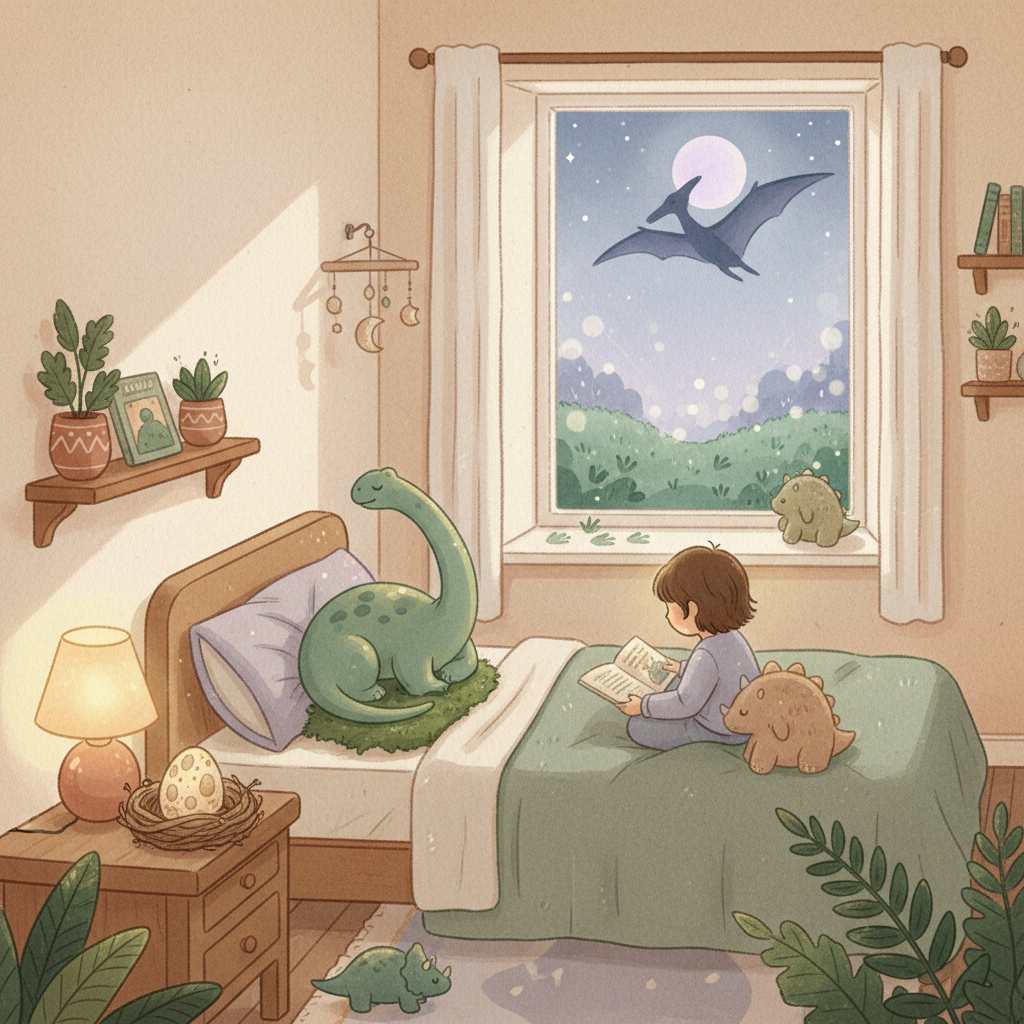
The National Institutes of Health (NIH) also highlights the importance of regular sleep-wake cycles, noting that disruptions can negatively impact a child's alertness and mood [https://www.nih.gov/news-events/news-releases/lack-sleep-affects-childrens-health]. For your little T-rex fan, understanding that bath time leads to stories, and stories lead to sleep, builds a sense of security and trust in the process.
Building Your Bedtime Toolkit: Key Components
So, what goes into a routine that "works"? While every family dynamic is unique, several universally effective components can be incorporated. The goal is to choose activities that are calming and create a peaceful atmosphere. Here are some ideas, mindful of the general recommendations from various pediatric sources:
- Warm Bath: A warm bath can be incredibly relaxing, signaling to the body that it
Further reading from trusted pediatric sources:
A calm parent checklist
For families who want one practical place to start, keep the evening plan simple, repeatable, and easy for a tired child to recognize. The goal is not perfection. It is a steady rhythm: a quiet cue, a predictable order, and a gentle finish that parents can repeat most nights without turning bedtime into a long negotiation.
- Choose two or three steps that already fit your home.
- Keep the order familiar, even when the exact timing changes.
- Let the room, lights, and voice signal that the day is slowing down.
- Save big conversations, rough play, and stimulating choices for earlier in the evening.
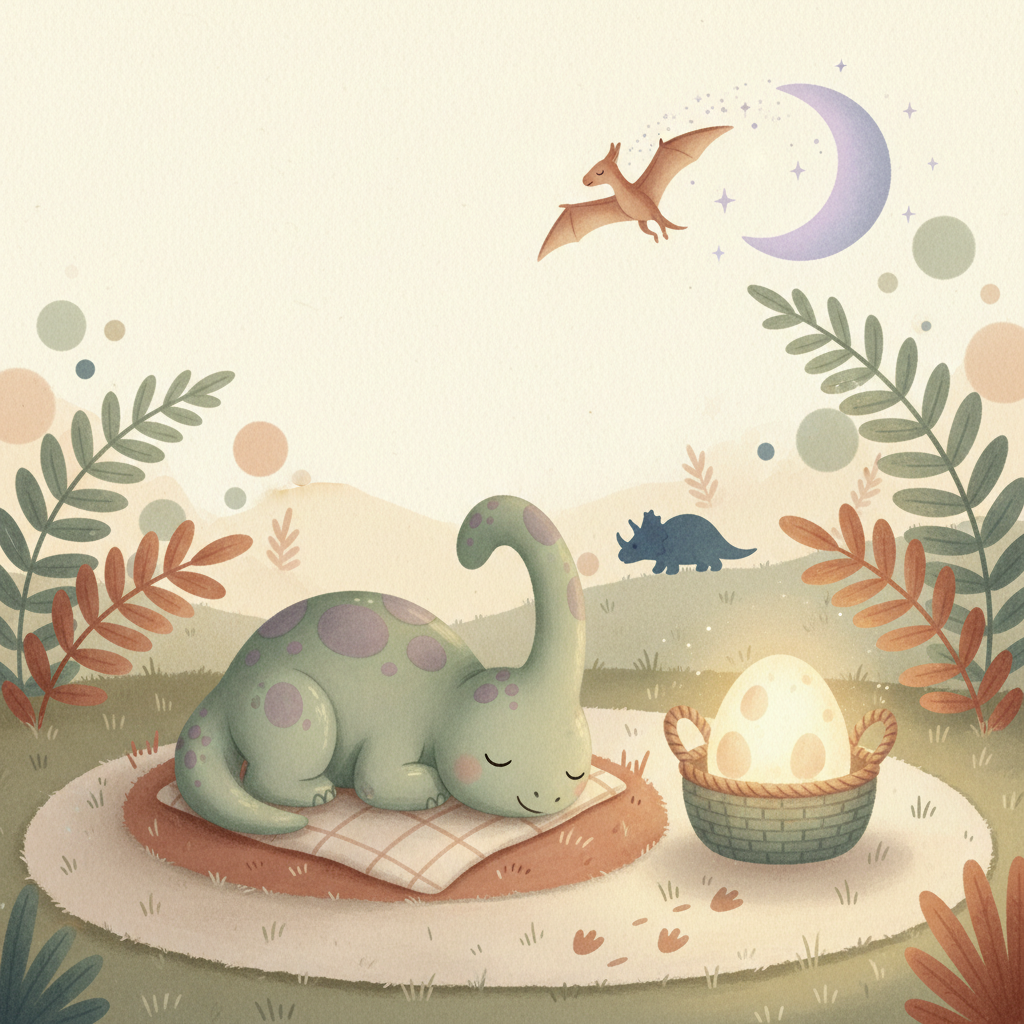
For broader context, parents can compare their routine with trusted sleep education such as American Academy of Pediatrics. My Little Dino can sit inside that routine as a short, cozy dinosaur moment when families want a softer transition into the final part of the night.
A calm parent checklist
For families who want one practical place to start, keep the evening plan simple, repeatable, and easy for a tired child to recognize. The goal is not perfection. It is a steady rhythm: a quiet cue, a predictable order, and a gentle finish that parents can repeat most nights without turning bedtime into a long negotiation.
- Choose two or three steps that already fit your home.
- Keep the order familiar, even when the exact timing changes.
- Let the room, lights, and voice signal that the day is slowing down.
- Save big conversations, rough play, and stimulating choices for earlier in the evening.
For broader context, parents can compare their routine with trusted sleep education such as American Academy of Pediatrics. My Little Dino can sit inside that routine as a short, cozy dinosaur moment when families want a softer transition into the final part of the night.
A calm parent checklist
For families who want one practical place to start, keep the evening plan simple, repeatable, and easy for a tired child to recognize. The goal is not perfection. It is a steady rhythm: a quiet cue, a predictable order, and a gentle finish that parents can repeat most nights without turning bedtime into a long negotiation.
- Choose two or three steps that already fit your home.
- Keep the order familiar, even when the exact timing changes.
- Let the room, lights, and voice signal that the day is slowing down.
- Save big conversations, rough play, and stimulating choices for earlier in the evening.
For broader context, parents can compare their routine with trusted sleep education such as American Academy of Pediatrics. My Little Dino can sit inside that routine as a short, cozy dinosaur moment when families want a softer transition into the final part of the night.
A calm parent checklist
For families who want one practical place to start, keep the evening plan simple, repeatable, and easy for a tired child to recognize. The goal is not perfection. It is a steady rhythm: a quiet cue, a predictable order, and a gentle finish that parents can repeat most nights without turning bedtime into a long negotiation.
- Choose two or three steps that already fit your home.
- Keep the order familiar, even when the exact timing changes.
- Let the room, lights, and voice signal that the day is slowing down.
- Save big conversations, rough play, and stimulating choices for earlier in the evening.
For broader context, parents can compare their routine with trusted sleep education such as American Academy of Pediatrics. My Little Dino can sit inside that routine as a short, cozy dinosaur moment when families want a softer transition into the final part of the night.
A calm parent checklist
For families who want one practical place to start, keep the evening plan simple, repeatable, and easy for a tired child to recognize. The goal is not perfection. It is a steady rhythm: a quiet cue, a predictable order, and a gentle finish that parents can repeat most nights without turning bedtime into a long negotiation.
- Choose two or three steps that already fit your home.
- Keep the order familiar, even when the exact timing changes.
- Let the room, lights, and voice signal that the day is slowing down.
- Save big conversations, rough play, and stimulating choices for earlier in the evening.
For broader context, parents can compare their routine with trusted sleep education such as American Academy of Pediatrics. My Little Dino can sit inside that routine as a short, cozy dinosaur moment when families want a softer transition into the final part of the night.
My Little Dino
A calm 60-second bedtime ritual for dinosaur-loving little ones.
Parent-led, screen-soft, and made for 3–7 year olds who'd rather hear about a sleepy brontosaurus than brush their teeth.
Sources
- Healthy Sleep Habits for Young Children — American Academy of Pediatrics
- Bedtime Routine for Children — The Sleep Foundation
- Lack of Sleep Affects Children's Health — National Institutes of Health
- Helping Your Child Learn to Sleep — Zero to Three
- Sleep Patterns for Children — Cleveland Clinic
- Sleep and Your 5 to 12 Year Old — American Academy of Pediatrics
Educational content only. Not medical advice. Please consult your pediatrician about sleep concerns.