A Gentle Bedtime Checklist for Your Little Dino
Creating Calm: A Gentle Bedtime Checklist for Your Little Dino
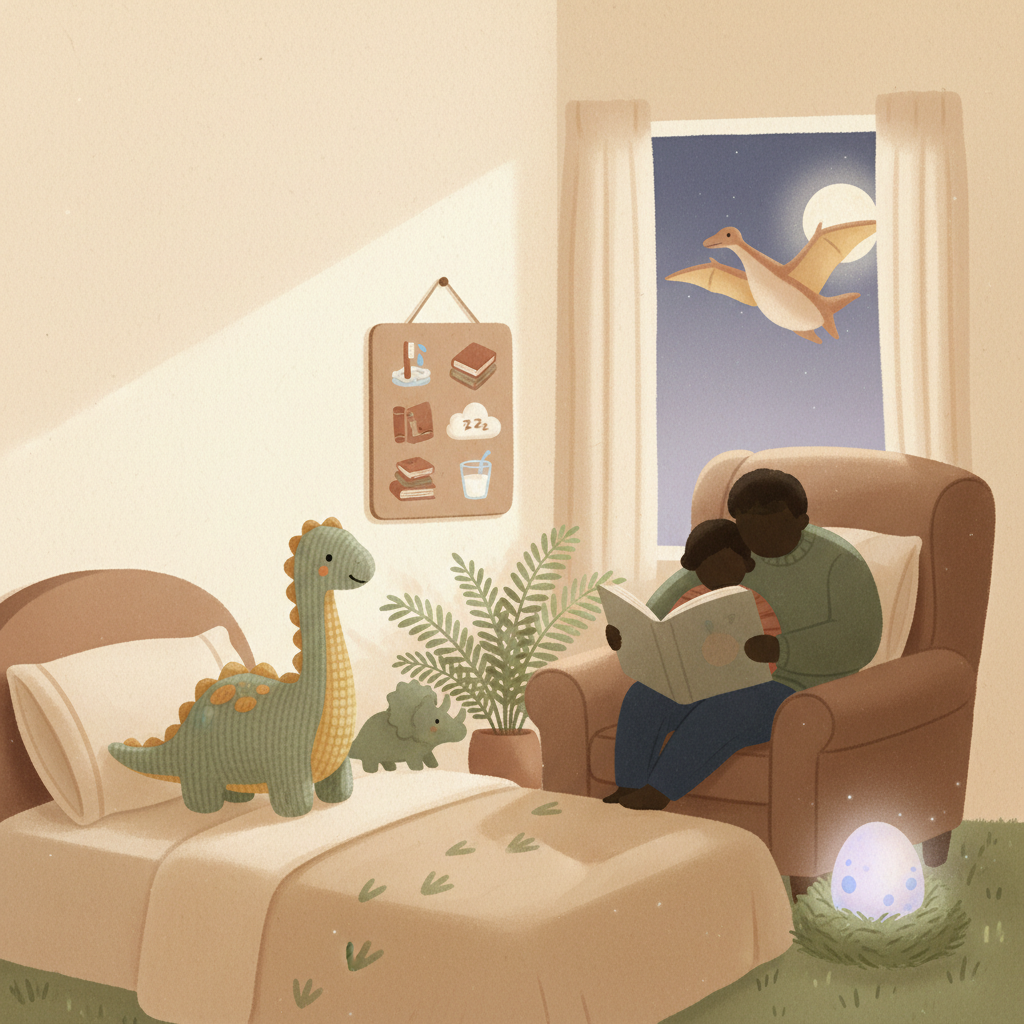
Bedtime can sometimes feel like a prehistoric struggle, can't it? One moment your little one is happily exploring, and the next, the gears shift, and the idea of heading to bed brings resistance. As parents, we’re always looking for ways to make these transitions smoother, and a well-thought-out bedtime checklist can be a guiding star. It’s not about rigid rules, but about creating a predictable, comforting rhythm that eases your child into a peaceful sleep. For our tiny T-rex fans, understanding what comes next can be incredibly reassuring.
Pediatric experts often highlight the importance of a consistent bedtime routine. The American Academy of Pediatrics emphasizes that predictable routines can help children understand expectations and prepare for sleep, promoting better sleep quality and duration https://www.healthychildren.org/English/healthy-living/sleep/Pages/Healthy-Sleep-Habits-for-Young-Children.aspx. Think of it as laying down the tracks for your child’s “sleep train” — each step on the checklist is a gentle click into place, moving them closer to dreamland.
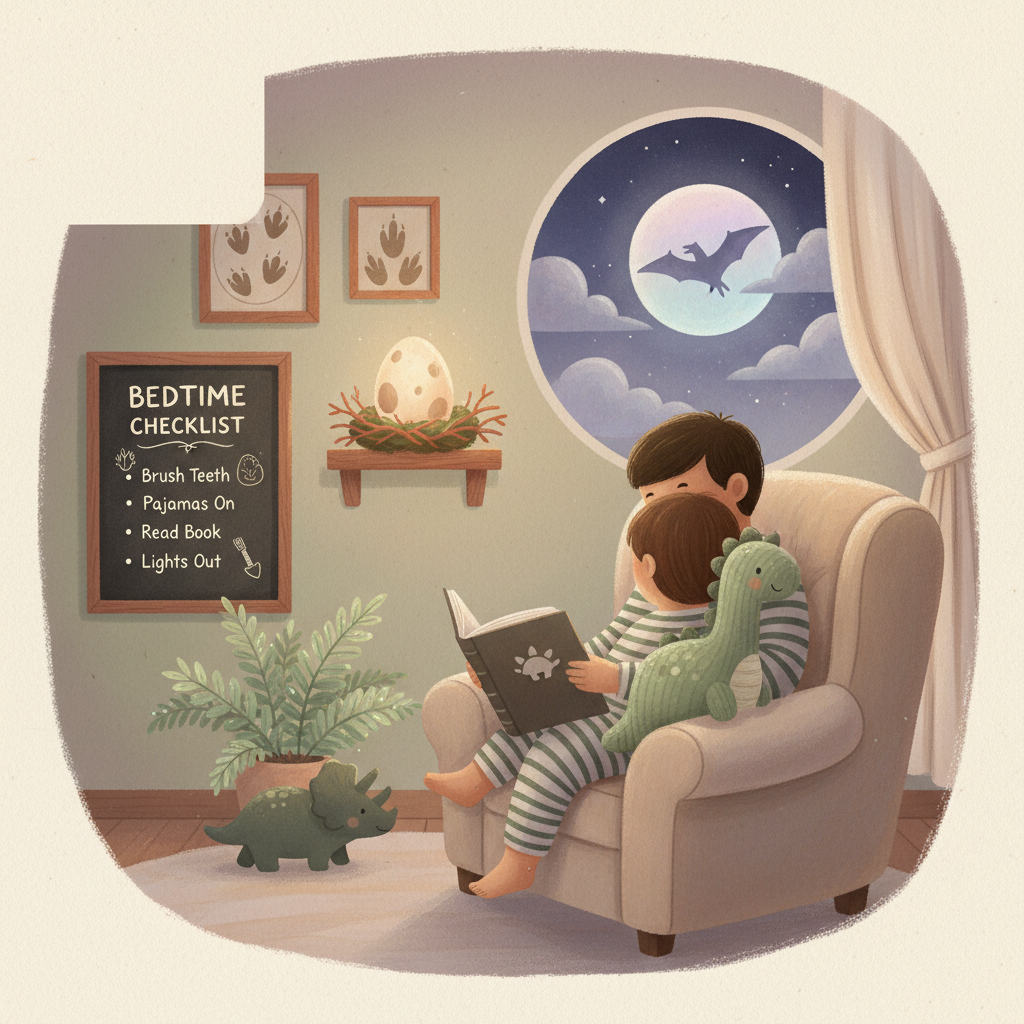
A bedtime checklist empowers your child by giving them a sense of control and predictability. This can be especially helpful for 3-6 year olds who are developing their independence and love knowing “what’s next.” When they can see and even participate in checking off items, it transforms bedtime from a command into a shared activity. This isn’t just about ticking boxes; it’s about nurturing autonomy and building healthy habits.
The Foundations of a Peaceful Routine
Before diving into the checklist itself, it’s helpful to understand the basic pillars of a successful bedtime routine. The Sleep Foundation notes that an ideal routine typically lasts between 20 to 45 minutes and involves calming activities that signal to the child’s body and mind that it’s time to wind down https://www.sleepfoundation.org/children-and-sleep/bedtime-routine. This period is crucial for transitioning from the active play of the day to the quiet needed for sleep.
Many families find that starting the wind-down process before bedtime itself is beneficial. This might mean dimming lights around the house, turning off screens, and engaging in quieter activities like reading or gentle play. The goal is to create a serene environment, free from stimulating distractions. Zero to Three, an organization focused on early childhood development, suggests that consistent routines, including warm, positive interactions, help young children feel secure and loved, which in turn supports healthy sleep patterns https://www.zerotothree.org/resources/series/sleep-and-routines/.
Consider what your child typically experiences right before bed. Are they still watching a stimulating cartoon? Are they engaged in boisterous play with siblings? Gently shifting these activities earlier in the evening can make a significant difference. Establishing a clear endpoint for active play helps set the stage for the calming checklist steps.
A predictable bedtime routine acts like a comforting lullaby, signaling to your child's body and mind that it's time to rest and rejuvenate, promoting deeper, more peaceful sleep.
Crafting Your Dino-Mite Bedtime Checklist
Here’s a general template for a bedtime checklist, designed to be adaptable to your family’s unique rhythm and your little paleontologist’s needs. Remember, the key is consistency and warmth.
1. Pre-Bedtime Wind-Down
- Tidy Up Toys: A simple step that helps transition from play to calm. Let your child help put their dinosaur toys back in their nest. This signals the end of playtime. Many parents find involving their child in this small chore fosters responsibility and provides a sense of closure to the day’s activities.
- Dim the Lights: Gradually lowering the light levels in your home helps signal to your child’s body that it’s nearing sleep time. The National Institutes of Health (NIH) notes that exposure to light, especially blue light from screens, can interfere with the production of melatonin, a hormone that helps regulate sleep https://www.nih.gov/news-events/nih-research-matters/how-light-affects-sleep. So, dimming lights is a gentle way to encourage natural melatonin production.
- Quiet Activities: Shift from high-energy play to quieter pursuits. This could be building blocks, drawing, or a quiet puzzle. This transition time helps to gradually reduce stimulation, making the move to bath and bed less abrupt.
2. Personal Care Rituals
- Bath/Shower: A warm bath can be incredibly relaxing for some children, helping to soothe muscles and prepare the body for sleep. For others, it might be too stimulating. Observe your child’s reaction. If a bath energizes them, consider moving it earlier in the evening or opting for a quick wash-up instead. Make it a calm, unhurried time.
- Brush Teeth: This is a non-negotiable for dental health and a clear marker that the day is winding down. Make it fun with a dinosaur-themed toothbrush or a silly song. The American Academy of Pediatrics provides guidance on oral hygiene for young children https://www.healthychildren.org/English/healthy-living/oral-health/Pages/Oral-Health-for-Young-Children.aspx.
- Pajamas: Changing into cozy pajamas helps reinforce the idea that it’s time for rest. Let your child pick their favorite pair, perhaps one with friendly dinosaurs on it!
- Potty Time: A final trip to the bathroom helps prevent interruptions later in the night.
3. Bedtime Comforts
- Comfort Item: Ensure their favorite lovey, blanket, or stuffed dinosaur is within reach. These items provide a sense of security and comfort. The Mayo Clinic suggests comfort objects can be helpful in self-soothing https://www.mayoclinic.org/healthy-lifestyle/childrens-health/in-depth/sleep/art-20048381 for young children.
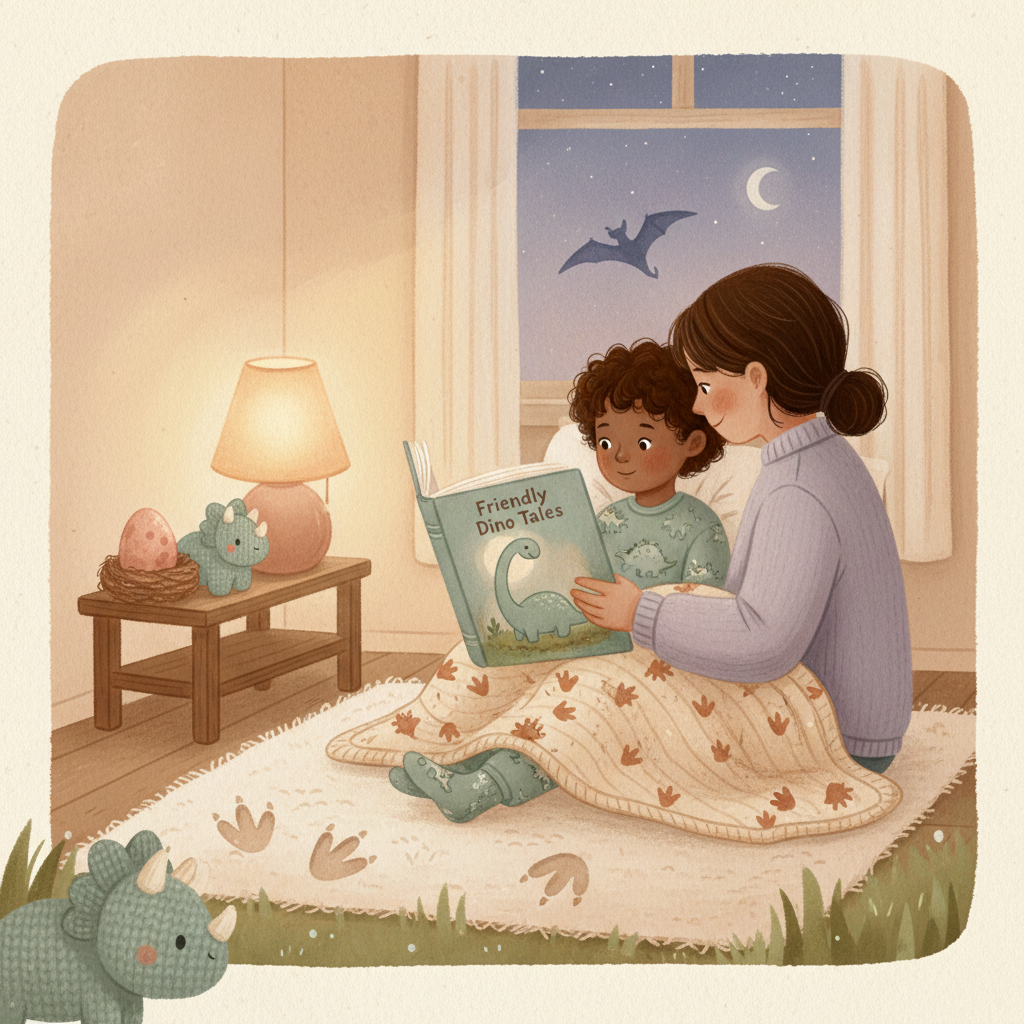
- Story Time: Reading one or two quiet stories is a cornerstone of many successful bedtime routines. It offers a calm connection with a parent and helps shift focus from the day
A calm parent checklist
For families who want one practical place to start, keep the evening plan simple, repeatable, and easy for a tired child to recognize. The goal is not perfection. It is a steady rhythm: a quiet cue, a predictable order, and a gentle finish that parents can repeat most nights without turning bedtime into a long negotiation.
- Choose two or three steps that already fit your home.
- Keep the order familiar, even when the exact timing changes.
- Let the room, lights, and voice signal that the day is slowing down.
- Save big conversations, rough play, and stimulating choices for earlier in the evening.
For broader context, parents can compare their routine with trusted sleep education such as American Academy of Pediatrics. My Little Dino can sit inside that routine as a short, cozy dinosaur moment when families want a softer transition into the final part of the night.
My Little Dino
A calm 60-second bedtime ritual for dinosaur-loving little ones.
Parent-led, screen-soft, and made for 3–7 year olds who'd rather hear about a sleepy brontosaurus than brush their teeth.
Sources
- Healthy Sleep Habits for Young Children — American Academy of Pediatrics
- Bedtime Routines for Children — The Sleep Foundation
- Sleep and Routines — Zero to Three
- How Light Affects Sleep — National Institutes of Health (NIH)
- Oral Health for Young Children — American Academy of Pediatrics
- Bedtime routines: A guide for parents — Mayo Clinic
Educational content only. Not medical advice. Please consult your pediatrician about sleep concerns.