A Calm Kids Bedtime Checklist for Peaceful Nights
As parents, we all dream of serene evenings that gently guide our little ones to sleep. Yet, the reality can often feel more like a prehistoric rumble than a peaceful transition! If you’re looking to bring a bit more calm and predictability to your family’s evenings, a well-thought-out kids bedtime checklist might be just the treasure map you need.
Crafting a gentle bedtime routine for your child isn't just about getting them to sleep; it’s about nurturing a sense of security and connection. Pediatric experts frequently highlight the importance of consistent routines for young children, noting how these patterns contribute to overall well-being. "Routines help young children feel secure and understand what is happening next," explains the American Academy of Pediatrics (AAP) on their HealthyChildren.org website [https://www.healthychildren.org/English/healthy-living/sleep/Pages/Healthy-Sleep-Habits-for-Young-Children.aspx]. This predictability can be especially comforting for your little paleontologist as they navigate the exciting — and sometimes overwhelming — world around them.
Why a Bedtime Checklist Makes All the Difference
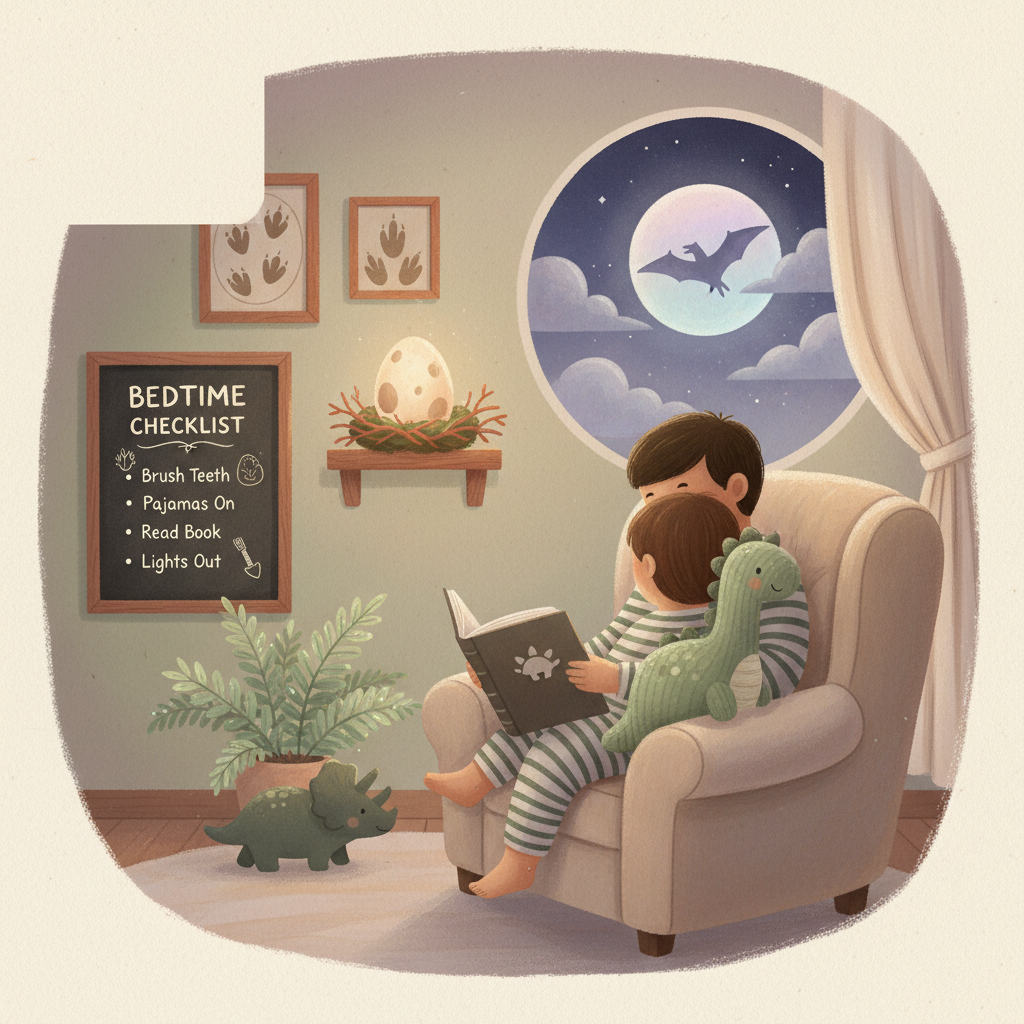
A bedtime checklist, especially one you create with your child, transforms bedtime from a series of demands into a collaborative journey. Instead of parents constantly prompting, a visual checklist empowers children to take ownership of their evening. This sense of agency can significantly reduce power struggles and promote cooperation. The Sleep Foundation emphasizes that "consistency in bedtime routines helps signal to a child that it is almost time for sleep," contributing to better sleep quality and duration [https://www.sleepfoundation.org/children-and-sleep/bedtime-routine].
Think of it as setting the stage for a calm and comforting experience. A structured yet flexible checklist provides a clear roadmap for both you and your child, ensuring that essential steps aren't missed and that the evening winds down in a predictable, gentle rhythm. It’s not about rigidity, but about establishing a familiar sequence that children can anticipate and even look forward to.
Foundations of a Peaceful Bedtime Routine
Before diving into specific checklist items, it’s helpful to understand the core principles that underpin a truly peaceful bedtime routine. These principles, often supported by early childhood development experts, focus on creating an environment conducive to relaxation and sleep.
-
Consistency is Key: Just as a beloved story has a familiar beginning, middle, and end, a consistent bedtime routine helps children anticipate what's next. This predictability is a cornerstone of healthy sleep habits, as noted by the National Institutes of Health (NIH), which states, "Regular sleep routines are important for children's health" [https://www.nih.gov/news-events/news-releases/researchers-study-sleep-patterns-young-children]. This doesn’t mean every single night has to be identical, but the general order of events should remain consistent.
-
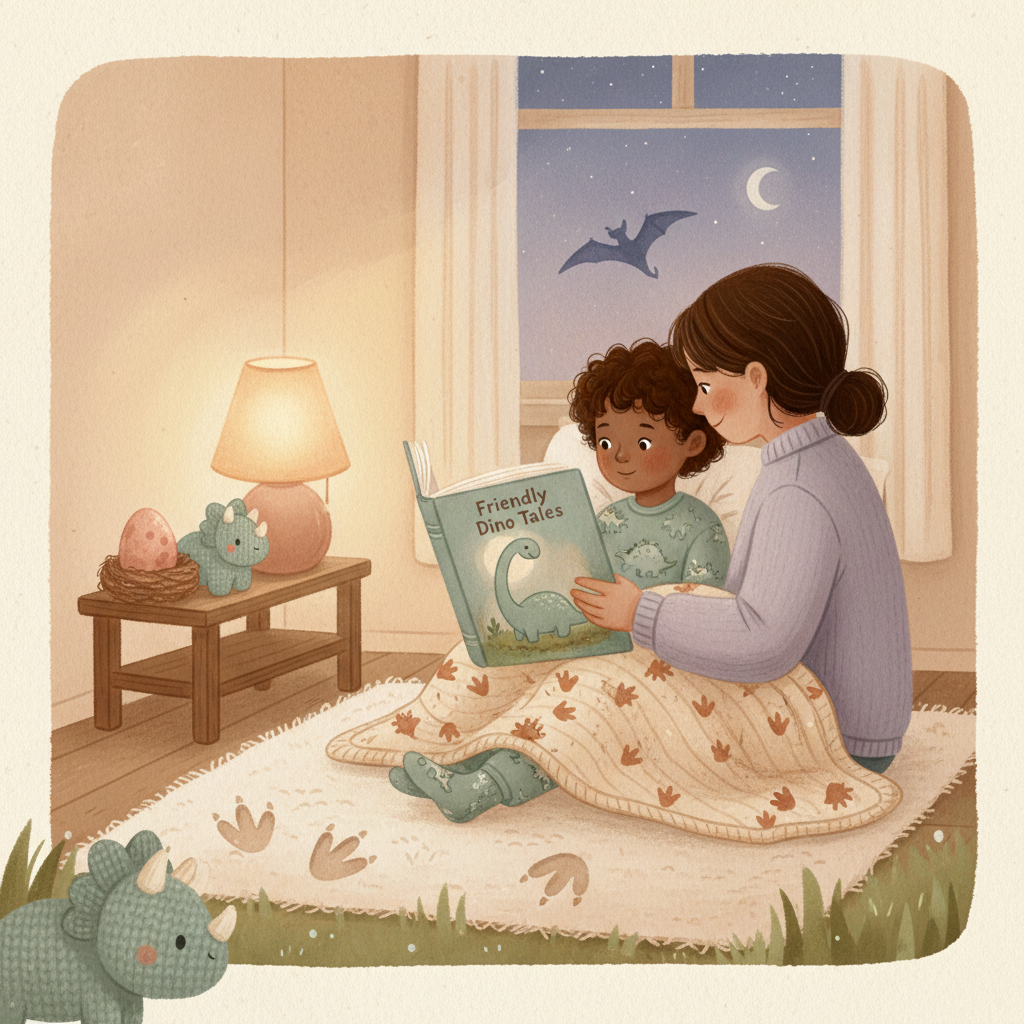
Calm and Connection: The period leading up to bedtime is a precious opportunity for connection. Reading together, quiet conversation, or even a gentle rocking session can strengthen your bond and help your child feel secure. Zero to Three, an organization dedicated to early childhood development, highlights the importance of "warm and responsive caregiving" in supporting a child's emotional regulation, which is vital for a peaceful transition to sleep [https://www.zerotothree.org/resources/series/sleep-and-young-children/].
-
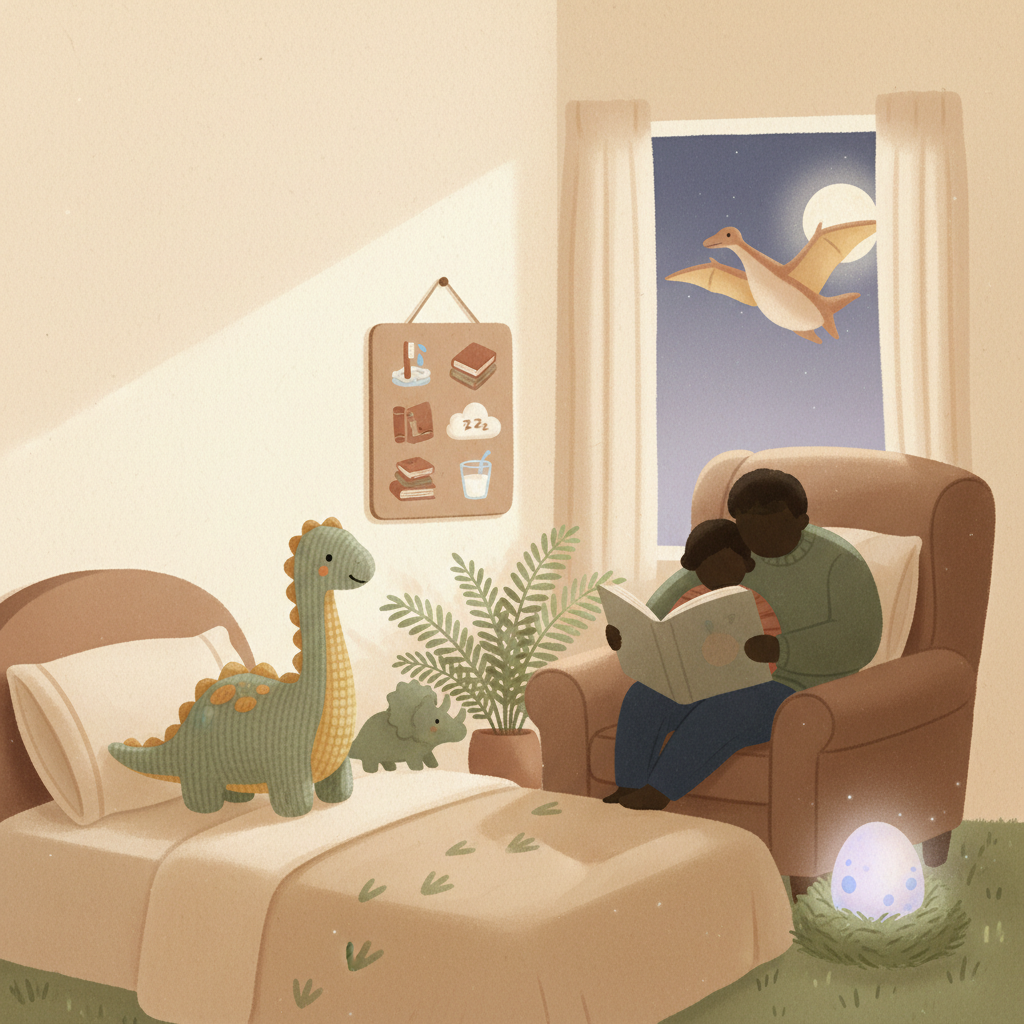
Creating the Right Environment: The physical space matters. A dim, quiet, and cool room can signal to a child's body that it’s time to rest. Many families find that drawing curtains, dimming lights, and ensuring the room is a comfortable temperature all contribute to a more sleep-ready environment.
"A consistent, calming bedtime routine not only helps children transition to sleep more easily but also provides a valuable period of connection and security with their caregivers."
Crafting Your Kids Bedtime Checklist: Step-by-Step
Now, let
Further reading from trusted pediatric sources:
A calm parent checklist
For families who want one practical place to start, keep the evening plan simple, repeatable, and easy for a tired child to recognize. The goal is not perfection. It is a steady rhythm: a quiet cue, a predictable order, and a gentle finish that parents can repeat most nights without turning bedtime into a long negotiation.
- Choose two or three steps that already fit your home.
- Keep the order familiar, even when the exact timing changes.
- Let the room, lights, and voice signal that the day is slowing down.
- Save big conversations, rough play, and stimulating choices for earlier in the evening.
For broader context, parents can compare their routine with trusted sleep education such as American Academy of Pediatrics. My Little Dino can sit inside that routine as a short, cozy dinosaur moment when families want a softer transition into the final part of the night.
A calm parent checklist
For families who want one practical place to start, keep the evening plan simple, repeatable, and easy for a tired child to recognize. The goal is not perfection. It is a steady rhythm: a quiet cue, a predictable order, and a gentle finish that parents can repeat most nights without turning bedtime into a long negotiation.
- Choose two or three steps that already fit your home.
- Keep the order familiar, even when the exact timing changes.
- Let the room, lights, and voice signal that the day is slowing down.
- Save big conversations, rough play, and stimulating choices for earlier in the evening.
For broader context, parents can compare their routine with trusted sleep education such as American Academy of Pediatrics. My Little Dino can sit inside that routine as a short, cozy dinosaur moment when families want a softer transition into the final part of the night.
A calm parent checklist
For families who want one practical place to start, keep the evening plan simple, repeatable, and easy for a tired child to recognize. The goal is not perfection. It is a steady rhythm: a quiet cue, a predictable order, and a gentle finish that parents can repeat most nights without turning bedtime into a long negotiation.
- Choose two or three steps that already fit your home.
- Keep the order familiar, even when the exact timing changes.
- Let the room, lights, and voice signal that the day is slowing down.
- Save big conversations, rough play, and stimulating choices for earlier in the evening.
For broader context, parents can compare their routine with trusted sleep education such as American Academy of Pediatrics. My Little Dino can sit inside that routine as a short, cozy dinosaur moment when families want a softer transition into the final part of the night.
A calm parent checklist
For families who want one practical place to start, keep the evening plan simple, repeatable, and easy for a tired child to recognize. The goal is not perfection. It is a steady rhythm: a quiet cue, a predictable order, and a gentle finish that parents can repeat most nights without turning bedtime into a long negotiation.
- Choose two or three steps that already fit your home.
- Keep the order familiar, even when the exact timing changes.
- Let the room, lights, and voice signal that the day is slowing down.
- Save big conversations, rough play, and stimulating choices for earlier in the evening.
For broader context, parents can compare their routine with trusted sleep education such as American Academy of Pediatrics. My Little Dino can sit inside that routine as a short, cozy dinosaur moment when families want a softer transition into the final part of the night.
My Little Dino
A calm 60-second bedtime ritual for dinosaur-loving little ones.
Parent-led, screen-soft, and made for 3–7 year olds who'd rather hear about a sleepy brontosaurus than brush their teeth.
Sources
- Healthy Sleep Habits for Young Children — American Academy of Pediatrics
- Children and Sleep: Bedtime Routine — The Sleep Foundation
- Researchers Study Sleep Patterns in Young Children — National Institutes of Health
- Sleep and Young Children — Zero to Three
- Children and sleep: How much sleep do children need? — Mayo Clinic
Educational content only. Not medical advice. Please consult your pediatrician about sleep concerns.