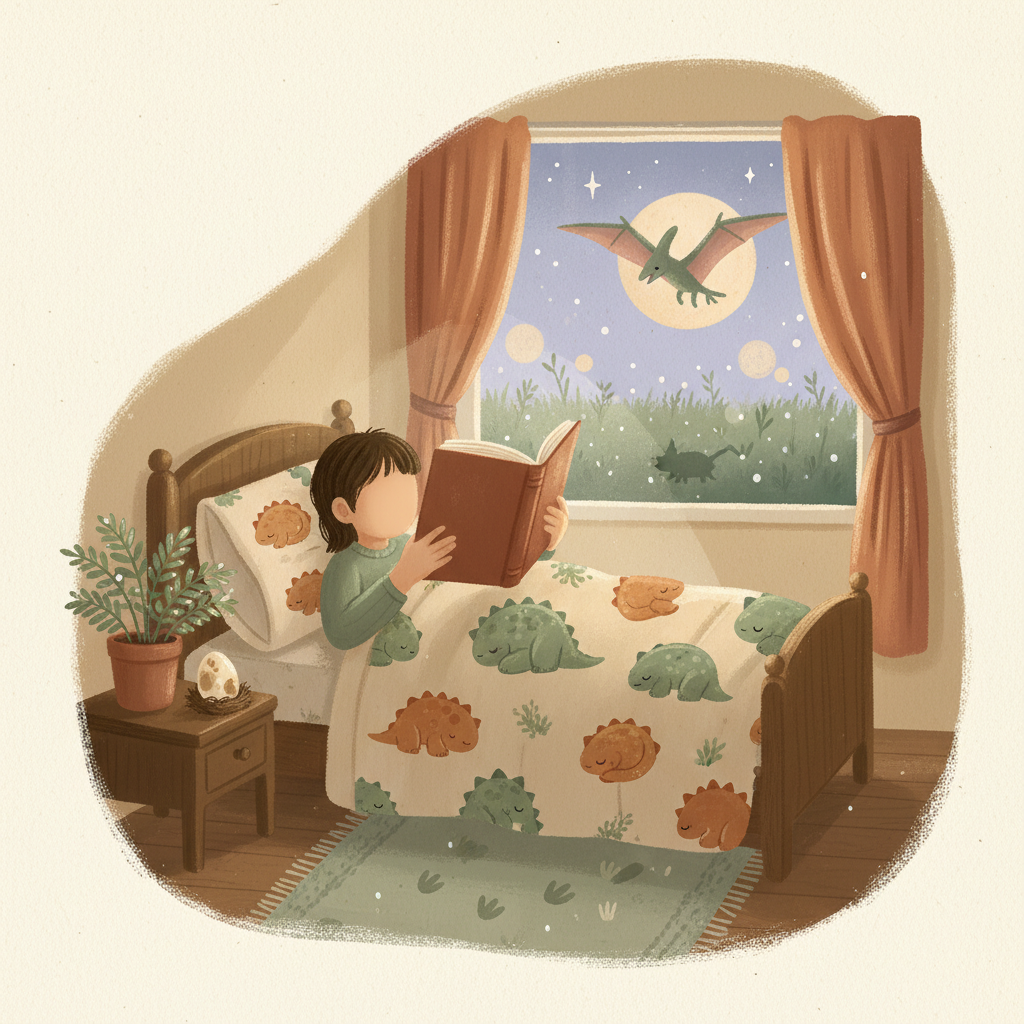
Chart Your Way to Calm: A Bedtime Routine Chart for Kids
Getting your little dinosaur-lover tucked in for the night can sometimes feel like navigating a prehistoric jungle. One moment they're chasing imaginary pterodactyls, the next they're exploring every excuse to avoid their cozy nest. If this sounds familiar, you're not alone! Many parents find that a visual bedtime routine chart can be a wonderful tool to bring calm and predictability to their evenings.
A bedtime routine chart for kids, often called a visual schedule, outlines the steps of bedtime in an easy-to-understand format. This can empower your child, helping them understand what comes next and fostering a sense of control over their own evening. Let's explore how these simple, yet powerful, charts can help transform your bedtime battles into peaceful transitions.
Why a Bedtime Routine Chart Can Be a Game-Changer
Children thrive on routine and predictability. As the American Academy of Pediatrics (AAP) highlights, consistent routines are fundamental for a child's healthy development, offering a sense of safety and security, especially during transitions like bedtime. Consistent routines are fundamental for a child's healthy development.
According to the Sleep Foundation, consistent sleep routines can lead to improved sleep quality, fewer night awakenings, and a shorter time to fall asleep for children. Consistent sleep routines can lead to improved sleep quality.
Here's why a bedtime routine chart can be particularly effective:
- Promotes Independence: When your child knows what's expected, they can take ownership of their routine. Checking off tasks on their chart can be a proud moment for a little one, boosting their confidence.
- Reduces Power Struggles: Instead of you dictating every step, the chart becomes the "rule." This can minimizearguments and create a more cooperative atmosphere as your child feels less "nagged" and more in charge.
- Builds Predictability: For young children, especially those between 3-7 years old, understanding the sequence of events can reduce anxiety. They learn to anticipate what comes next, which can be incredibly soothing. As zero to Three, a national non-profit for infants and toddlers, explains, routines provide a sense of safety and predictability that helps children feel secure. Routines provide a sense of safety and predictability.
- Visual Learning: Many children are visual learners. Seeing the steps laid out in pictures or simple words makes the routine more tangible and easier to follow than simply hearing instructions.
- Supports Language Development: Discussing the steps on the chart offers opportunities to build vocabulary and comprehension as you talk through the routine together.
Crafting Your Personalized Bedtime Routine Chart
Creating a bedtime routine chart doesn't have to be complicated. The most effective charts are simple, clear, and tailored to your family's specific routine. Think of it as mapping out the prehistoric path to slumber for your little paleontologist.
What to Include:
Start by jotting down your existing bedtime steps, or the ones you'd like to establish. Typical steps for 3-7 year olds often include:
- Tidy up toys (a quick "dino-dig" for misplaced items!)
- Pajamas on
- Brush teeth
- Potty break
- Wash face/hands
- Choose a book
- Bedtime story
- Hugs and kisses
- Lights out
"Consistency is key when it comes to children's sleep routines, helping to regulate their internal body clock and signal that it's time to wind down for the night." — The Sleep Foundation
How to Make It Visual:
Once you have your sequence, think about how to represent each step visually. Here are some ideas:
- Drawings: Simple stick figures or quick sketches work wonderfully. Involve your child in the drawing process for extra engagement!
- Printed Pictures: Search online for icons or simple illustrations. You can also take photos of your child doing each step.
- Existing Visual Aids: Many online resources offer printable bedtime routine cards or templates. Just be sure to customize them to fit your family's rhythm.
Consider using laminated cards with velcro or magnets, allowing your child to move each step to a "done" column as they complete it. This interactive element can be incredibly motivating!
Tips for Introducing and Using Your Chart with Your Child
Introducing a new tool like a bedtime routine chart requires a gentle, positive approach. Remember, the goal is to create calm, not another source of stress. The Cleveland Clinic suggests that having a consistent bedtime routine helps children emotionally transition from the day's activities to sleep. Consistent bedtime routine helps children emotionally transition.
Involve Your Child from the Start:
- Collaborate: Sit down with your little one to help create the chart. Let them choose colors, draw pictures, or arrange the sequence of steps. This makes it their chart, not just yours.
- Explain the "Why": Talk about how the chart will help them know what comes next and make bedtime fun and easy. Frame it as a special "roadmap to dreamland" for your tiny T-rex fan.
Consistency is Your Superpower:
- Follow It Every Night: The more consistently you use the chart, the faster your child will incorporate it into their routine. This includes weekends and holidays when possible, as regularity helps regulate their internal sleep clock. You might find our post on the magic of a consistent bedtime routine helpful.
- Be Patient: It might take a few nights or even a couple of weeks for your child to fully embrace the routine. Offer gentle reminders and praise their efforts.
Keep It Positive and Flexible (Within Reason):
- Positive Reinforcement: Offer specific praise as your child completes each step: "Wow, you put on your pajamas all by yourself! Great job checking that off the chart!" Avoid using the chart as a disciplinary tool.
- Natural Consequences: If a step is skipped, gently guide your child back to the chart. For example, "It looks like we forgot to brush our teeth. The chart says teeth brushing comes before story time."
- Adjust as Needed: As your child grows or your family's schedule changes, your routine might need tweaking. Don't be afraid to update your chart to reflect these changes. A routine isn't set in stone, especially for a growing child.
Remember, the bedtime routine is not just about getting to sleep; it's about creating a calm and loving connection at the end of the day. For dinosaur-loving kids, a calm 60-second bedtime ritual app like My Little Dino can be a wonderful addition to your wind-down time. If you're curious, we invite you to explore our app and join the waitlist.
Troubleshooting Common Chart Challenges
Even with the best intentions, you might encounter a few bumps in the road. Here are some common challenges and gentle approaches to navigate them:
- Resistance to the Chart Itself: If your child pushes back, re-engage them in the creation process. "What do you think we could add to make our bedtime chart even better?" or "Is there a favorite dinosaur character we could put on it?" Sometimes a sense of co-ownership is all that's needed. You might also consider if the routine itself is too long or rushed. Crafting a relaxing bedtime routine can offer more insights.
- Skipping Steps: Gently guide them back to the chart. Avoid shaming or punishment. "Oh, it looks like our chart shows brushing teeth is next. Let's do that together!" Leading by example or making it a game can sometimes help.
- The "One More Thing" Syndrome: This is where clear boundaries around the routine become important. The chart visually ends with "lights out" for a reason. You can prepare your child by saying, "After our story and hugs, it will be time for lights out, just like our chart shows." Stick to your established routine to build trust and predictability.
- Overwhelm with Too Many Steps: If your chart has too many items, it might feel daunting. For younger children, 4-6 key steps are often ideal. You can combine related tasks (e.g., "Pajamas & Potty" as one step) to simplify. The goal is to make it manageable and soothing, like a slow Brontosaurus lumbering towards its peaceful resting place.
Remember, your presence and calm demeanor are just as important as the chart itself. The chart is a tool to support your connection and their transition to sleep. It's about setting a peaceful tone and nurturing good habits for years to come.
Gentle reminder
The content in this post is intended for educational purposes only and is not a substitute for professional medical advice, description, or approaches. Always seek the advice of your pediatrician or other qualified health provider with any questions you may have regarding a medical condition, behavior, or your child's sleep. Never disregard professional medical advice or delay in seeking it because of something you have read here.
Sources
My Little Dino
A calm 60-second bedtime ritual for dinosaur-loving little ones.
Parent-led, screen-soft, and made for 3–7 year olds who'd rather hear about a sleepy brontosaurus than brush their teeth.
Sources
- Healthy Sleep Habits: How Many Hours Does Your Child Need? — American Academy of Pediatrics
- Bedtime Routine — Sleep Foundation
- Routines and Rituals: Why They Are So Important — Zero to Three
- Sleep Solutions for Kids — Cleveland Clinic
Educational content only. Not medical advice. Please consult your pediatrician about sleep concerns.