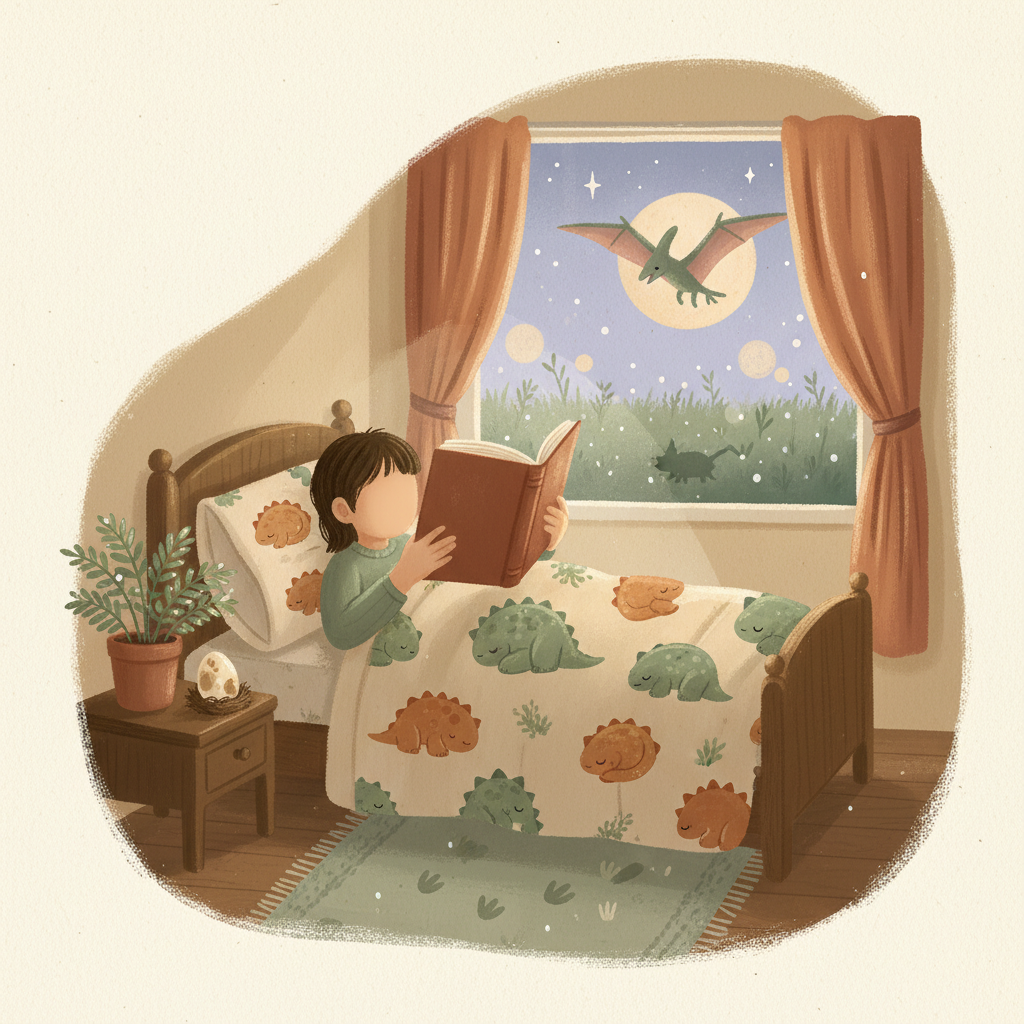
The Magic of a Consistent Bedtime Routine for Kids
Oh, the bedtime dance! As parents, we’ve all been there – the whirlwind of dinner, bath, and then the delightful, sometimes challenging, transition to sleep. It’s a journey that can often feel like herding a herd of baby brontosauruses, but with a consistent bedtime routine, you can create a calm and predictable path to peaceful nights for your little one.
Why Consistency Matters for Little Ones
Think about how much our children thrive on predictability in their day. The same goes for their evenings. A consistent bedtime routine isn't just about getting your child to sleep; it's about establishing a sense of safety, security, and calm that can positively impact their overall well-being. As the American Academy of Pediatrics (AAP) highlights, routines provide structure and help children feel secure and in control, especially during transitions like moving from active play to quiet time. You can find more information on this from the AAP's HealthyChildren.org initiative here.
Many families find that a predictable sequence of events signals to a child’s body and mind that it’s time to wind down. This can be especially helpful for your tiny T-rex fan, who might be bursting with energy even as the sun sets. The Sleep Foundation emphasizes that consistent bedtime routines help regulate a child's internal clock, also known as their circadian rhythm. This regulation can lead to more predictable sleep onset and overall better sleep quality. According to the Sleep Foundation, "A consistent bedtime routine can promote better sleep in children by helping them wind down and signaling to their bodies that it is time for sleep" (source).
Crafting Your Routine: The Building Blocks
So, what actually goes into a consistent bedtime routine? Pediatric experts often suggest a sequence of relaxing activities that typically lasts between 20 to 45 minutes. The key is to keep it calm, comforting, and free from overstimulation. The National Institutes of Health (NIH) points to the importance of "sleep hygiene," which includes a consistent sleep schedule and relaxing bedtime routine, as a cornerstone of healthy sleep habits. Further insights into healthy sleep practices for children can be found on the National Institute of Neurological patterns and Stroke website here.
Here are some elements many families incorporate:
- Warm Bath: A soothing bath can help relax muscles and signal the body to prepare for rest. Keep the water temperature comfortable, and perhaps add some gentle, calming bubble bath (if appropriate for your child's skin).
- Quiet Play or Reading: A few minutes of quiet, independent play with blocks or puzzles, or snuggling up for a story, can be a wonderful way to transition. For ideas on screen-free evenings, you might find solace in exploring Crafting a Screen-Free Bedtime Routine for Calm Nights.
- Brushing Teeth & Potty Time: These essential hygiene steps can be woven into the routine, becoming a natural part of the wind-down sequence.
- Pyjamas: Changing into comfortable sleepwear is another gentle nudge towards sleep.
- Story Time: Reading a calming book together is a beloved ritual for many families. It fosters connection and provides a peaceful end to the day. For more ideas on how to make story time truly special, consider Crafting a Relaxing Bedtime Routine for Kids.
- Cuddles & Goodnight Wishes: A few minutes of gentle touches, soft words, and goodnight kisses can offer immense comfort and reassurance.
"A consistent bedtime routine acts like a gentle lullaby for a child's internal clock, guiding them softly towards the land of dreams."
The Importance of a Fixed Bedtime and Wake-Up Time
Beyond the sequence of activities, establishing a consistent bedtime and wake-up time, even on weekends, is a cornerstone of a successful routine. The Cleveland Clinic emphasizes that predictable sleep and wake times help reinforce the body
Further reading from trusted pediatric sources:
A calm parent checklist
For families who want one practical place to start, keep the evening plan simple, repeatable, and easy for a tired child to recognize. The goal is not perfection. It is a steady rhythm: a quiet cue, a predictable order, and a gentle finish that parents can repeat most nights without turning bedtime into a long negotiation.
- Choose two or three steps that already fit your home.
- Keep the order familiar, even when the exact timing changes.
- Let the room, lights, and voice signal that the day is slowing down.
- Save big conversations, rough play, and stimulating choices for earlier in the evening.
For broader context, parents can compare their routine with trusted sleep education such as American Academy of Pediatrics. My Little Dino can sit inside that routine as a short, cozy dinosaur moment when families want a softer transition into the final part of the night.
A calm parent checklist
For families who want one practical place to start, keep the evening plan simple, repeatable, and easy for a tired child to recognize. The goal is not perfection. It is a steady rhythm: a quiet cue, a predictable order, and a gentle finish that parents can repeat most nights without turning bedtime into a long negotiation.
- Choose two or three steps that already fit your home.
- Keep the order familiar, even when the exact timing changes.
- Let the room, lights, and voice signal that the day is slowing down.
- Save big conversations, rough play, and stimulating choices for earlier in the evening.
For broader context, parents can compare their routine with trusted sleep education such as American Academy of Pediatrics. My Little Dino can sit inside that routine as a short, cozy dinosaur moment when families want a softer transition into the final part of the night.
A calm parent checklist
For families who want one practical place to start, keep the evening plan simple, repeatable, and easy for a tired child to recognize. The goal is not perfection. It is a steady rhythm: a quiet cue, a predictable order, and a gentle finish that parents can repeat most nights without turning bedtime into a long negotiation.
- Choose two or three steps that already fit your home.
- Keep the order familiar, even when the exact timing changes.
- Let the room, lights, and voice signal that the day is slowing down.
- Save big conversations, rough play, and stimulating choices for earlier in the evening.
For broader context, parents can compare their routine with trusted sleep education such as American Academy of Pediatrics. My Little Dino can sit inside that routine as a short, cozy dinosaur moment when families want a softer transition into the final part of the night.
My Little Dino
A calm 60-second bedtime ritual for dinosaur-loving little ones.
Parent-led, screen-soft, and made for 3–7 year olds who'd rather hear about a sleepy brontosaurus than brush their teeth.
Sources
- Bedtime Routines for Babies and Children — American Academy of Pediatrics
- Bedtime Routine for Children — Sleep Foundation
- Brain Basics: Understanding Sleep — National Institute of Neurological Disorders and Stroke, NIH
- Sleep Solutions for Children — Cleveland Clinic
Educational content only. Not medical advice. Please consult your pediatrician about sleep concerns.