Crafting a Screen-Free Bedtime Routine for Calm Nights
In our fast-paced world, screens have become an almost ubiquitous presence, even as bedtime approaches. For parents seeking to cultivate truly peaceful evenings, embracing a screen-free bedtime routine can be a gentle yet powerful shift. This isn’t about deprivation but about crafting a calm, connected transition from day to dreaming, allowing your child's mind and body to truly unwind.
Pediatric experts often emphasize the importance of consistent bedtime rituals, and a key element many families find beneficial is removing screens from the hour or two leading up to sleep. Let's explore how you can craft a delightful screen-free experience for your little paleontologist.
Why Go Screen-Free Before Bed?
The glow of tablets, phones, and televisions can be exciting, but that excitement isn't always conducive to winding down. The American Academy of Pediatrics (AAP) suggests that media use can interfere with sleep, noting that "exposure to screens and new media content can cause sleep problems." They explain that the blue light emitted from screens can suppress melatonin production, a natural hormone that helps us feel sleepy [https://www.healthychildren.org/English/healthy-living/sleep/Pages/Healthy-Sleep-Habits-for-All-Ages.aspx]. Beyond the blue light, engaging content can overstimulate a child's developing brain, making it harder to settle down for sleep.
Many studies have explored the link between screen time and sleep. The Sleep Foundation, for instance, highlights that "screen time before bed has been directly linked to shorter sleep duration, poor sleep quality, and increased sleep latency (the time it takes to fall asleep) in children and adolescents" [https://www.sleepfoundation.org/children-and-sleep/screen-time-and-sleep]. By opting for screen-free activities, you create a dedicated space for calm, allowing your child's natural sleep signals to take over.
"Prioritizing screen-free time before bed is a gentle gift you give your child, fostering not just better sleep, but also moments of quiet connection and imagination."
Setting the Stage: When to Unplug
Deciding when to start your screen-free wind-down is a personal choice, but pediatric experts often provide helpful guidelines. The American Academy of Pediatrics (AAP) recommends keeping all screens out of children's bedrooms and turning them off at least 30 minutes before bedtime [https://www.healthychildren.org/English/healthy-living/sleep/Pages/Healthy-Sleep-Habits-for-All-Ages.aspx]. Some families find even greater benefit by unplugging an hour or two before the targeted sleep time, creating a more gradual transition.
Consider setting a "screen curfew" that signals the start of your evening routine. This helps establish clear boundaries and gives your child's brain ample time to shift from active engagement to a more relaxed state. You might even involve your child in setting this "unplug time," helping them feel a sense of ownership over their peaceful evening.
Delightful Screen-Free Activities
Once the screens are off, the possibilities for calm and connection are endless! Here are some beloved activities that parents often weave into their screen-free bedtime routines:
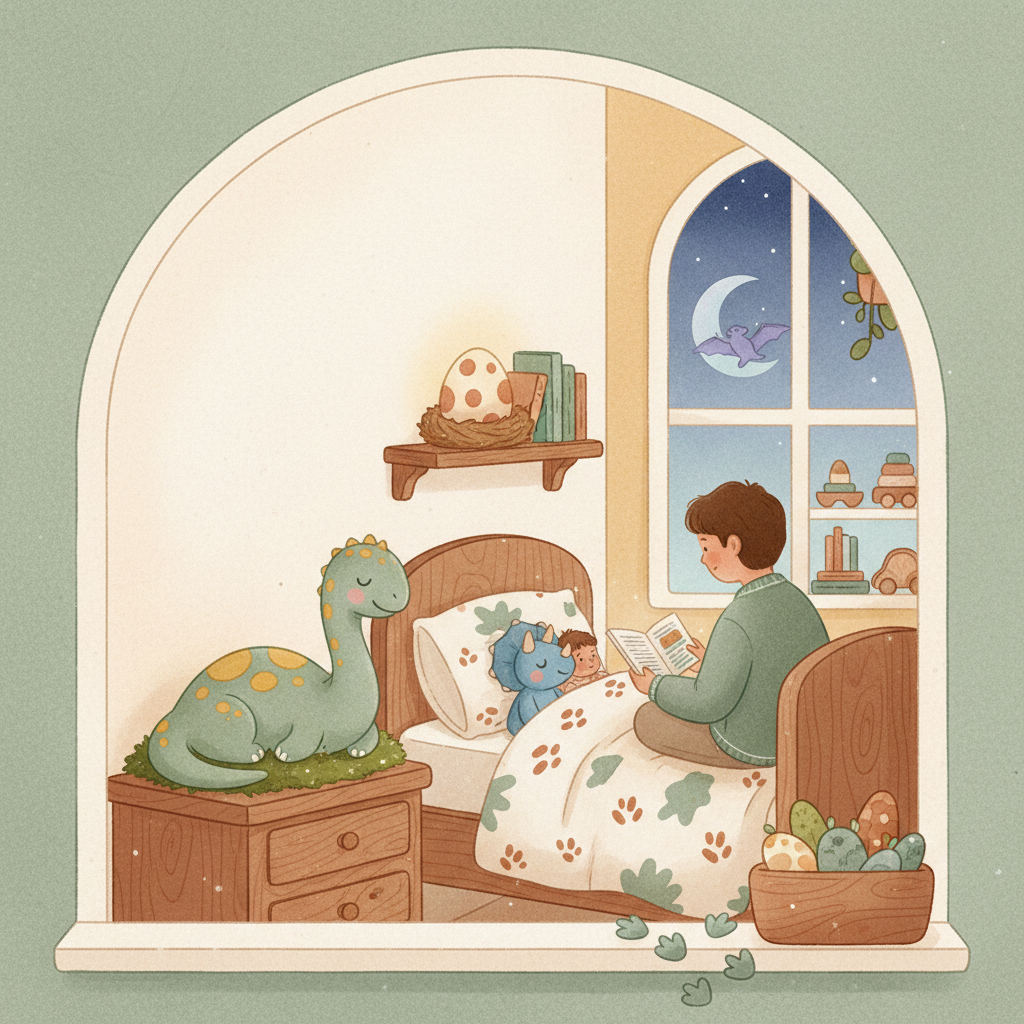
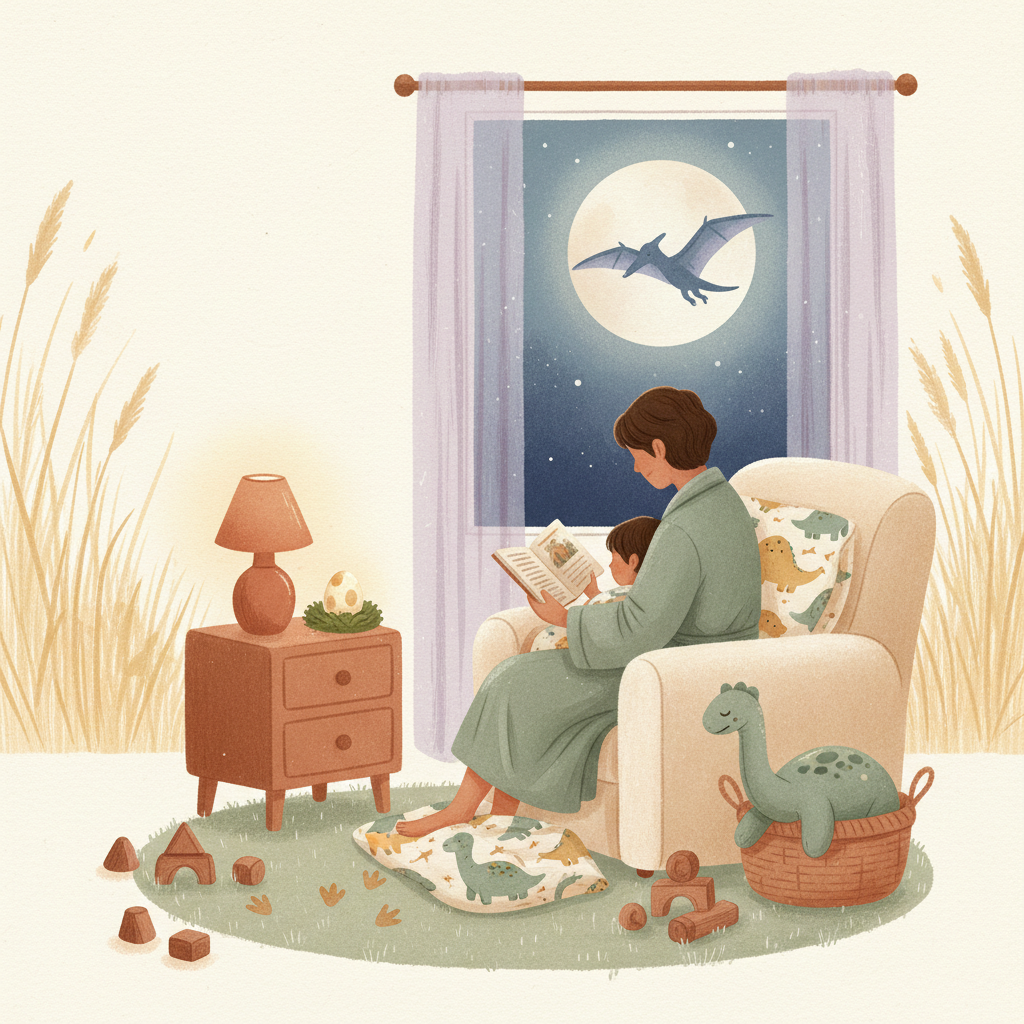
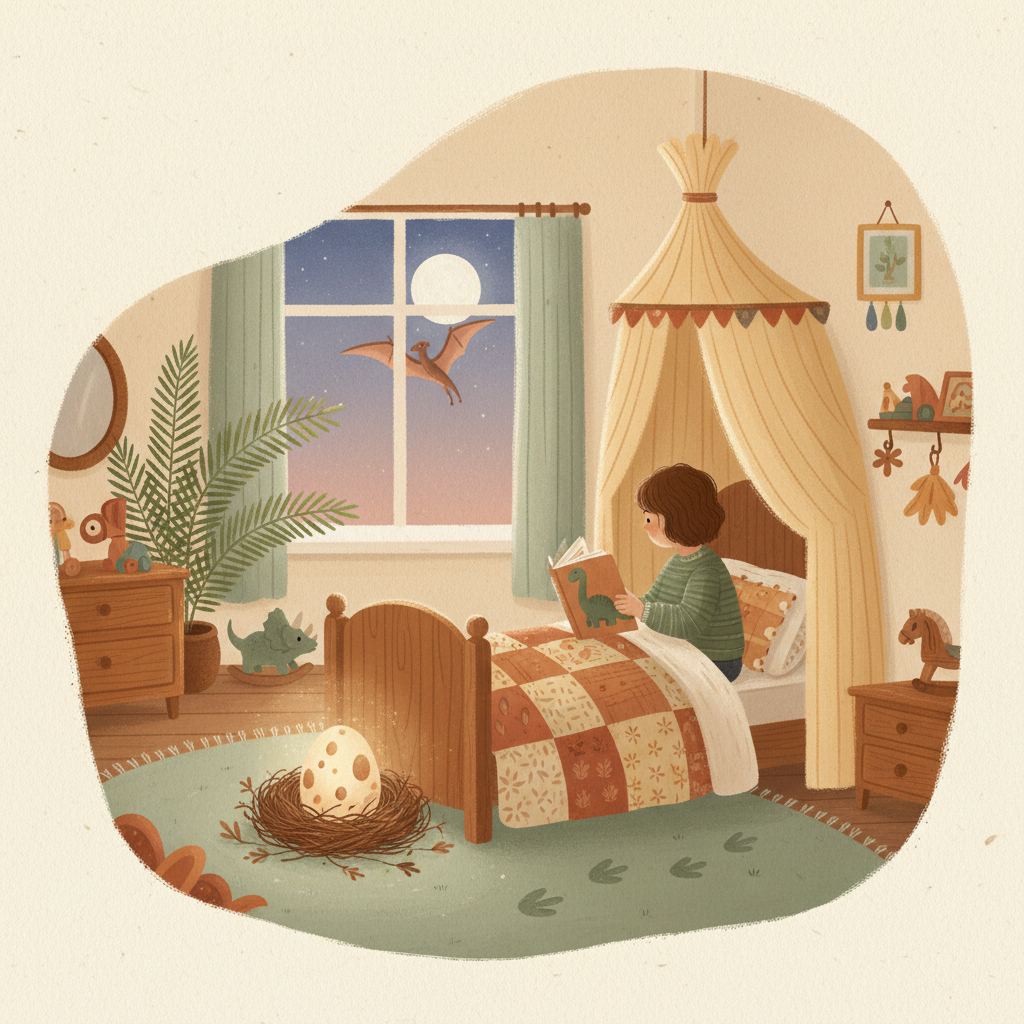
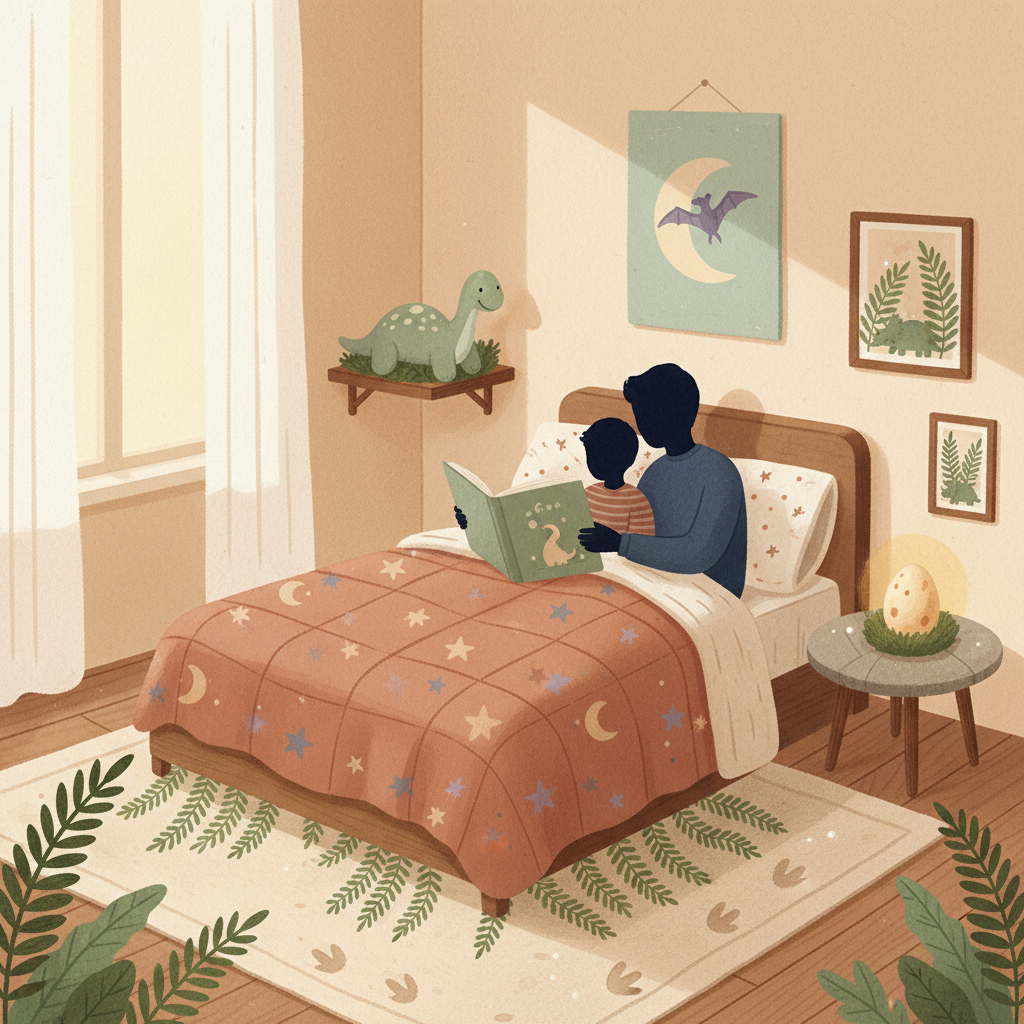
- Reading Together: This classic bedtime activity is a cornerstone of many peaceful evenings. Snuggling up with a book not only fosters a love of reading but also provides a calm, imaginative escape. Let your child choose a few beloved stories, perhaps about friendly dinosaurs or faraway lands. The National Institutes of Health (NIH) emphasizes the importance of reading aloud to children for language development and bonding, making it an excellent choice for quiet time [https://www.nichd.nih.gov/health/topics/infant-child-development/topicinfo/reading-aloud].
- Quiet Play: Think puzzles, building blocks, or even imaginative play with stuffed animals. Encourage activities that don't require intense focus or generate too much excitement. A quiet game of "find the hidden dinosaur" in their room, or arranging their favorite toy figures, can be wonderfully soothing.
- Warm Bath or Shower: A warm bath can be incredibly relaxing, helping to lower body temperature slightly afterward, which can promote sleepiness. Keep it calm, perhaps with gentle splashing rather than boisterous play. This can be a perfect end to the day for unwinding tense muscles.
- Gentle Conversation or Storytelling: This is a wonderful opportunity for connection. Ask your child about their favorite part of the day, or tell them a simple, imaginative story. This fosters emotional security and helps them process their day in a calm setting. Creating a story together, perhaps about a sleepy brontosaurus, can be a cherished ritual.
- Soft Music or Lullabies: Gentle, classical music or lullabies can create a serene soundscape. Avoid anything with a strong beat or lyrics that encourage singing along, opting instead for instrumental pieces that soothe rather than stimulate.
For more ideas on crafting a calming evening, you might find our post on Crafting a Soothing Evening Routine for Your Little One helpful.
Creating Your Consistent Routine
Consistency is key when building any healthy habit, and bedtime routines are no exception. Pediatric experts frequently stress the benefits of a predictable routine. According to the Cleveland Clinic, "Children thrive on predictability and routine, especially younger children... A consistent bedtime routine has been shown to improve sleep" [https://my.clevelandclinic.org/health/articles/14493-sleep-in-babies-toddlers-pre-schoolers]. When your child knows what to expect, it reduces anxiety and helps their body prepare for sleep.
Aim for the same sequence of activities each night. This mindful repetition creates a calming rhythm for your child, a reassuring signal that sleep is approaching. Perhaps it's a bath, followed by pajamas, then a quiet story, and finally, snuggles. The specific activities can be flexible, but the order and consistency are what truly help.
Embracing the Journey
Implementing a screen-free bedtime routine doesn't have to be perfect from day one. There might be some resistance initially, especially if screens have been part of the evening ritual. Patience and gentle persistence are your best allies. Explain the "why" in simple terms – "We're putting screens away now so our bodies can get ready for a good rest." Frame it as a special, calm family time.
Remember, this is about creating a peaceful transition and fostering connection with your child, allowing their developing minds to find calm after a busy day. In these quiet moments, you're not just helping them sleep, you're building cherished memories.
As part of your calm 60-second bedtime ritual for dinosaur-loving kids, consider trying the My Little Dino app, designed to bring a gentle finish to your day.
Gentle Reminder
This content is for informational purposes only and is not intended to be a substitute for professional medical advice, description, or approaches. Always seek the advice of your pediatrician or other qualified health provider with any questions you may have regarding a medical condition, sleep concerns, or behavioral challenges.
Sources
My Little Dino
A calm 60-second bedtime ritual for dinosaur-loving little ones.
Parent-led, screen-soft, and made for 3–7 year olds who'd rather hear about a sleepy brontosaurus than brush their teeth.
Sources
- Healthy Sleep Habits: How Many Hours Does Your Child Need? — American Academy of Pediatrics
- Screen Time and Sleep in Children: The Impact of Digital Devices — The Sleep Foundation
- Reading Aloud to Children — National Institutes of Health (NIH)
- Sleep in Babies, Toddlers, and Pre-Schoolers — Cleveland Clinic
Educational content only. Not medical advice. Please consult your pediatrician about sleep concerns.