Crafting a Healthy Bedtime Routine for Your Little Dino
The Power of a Healthy Bedtime Routine for Kids
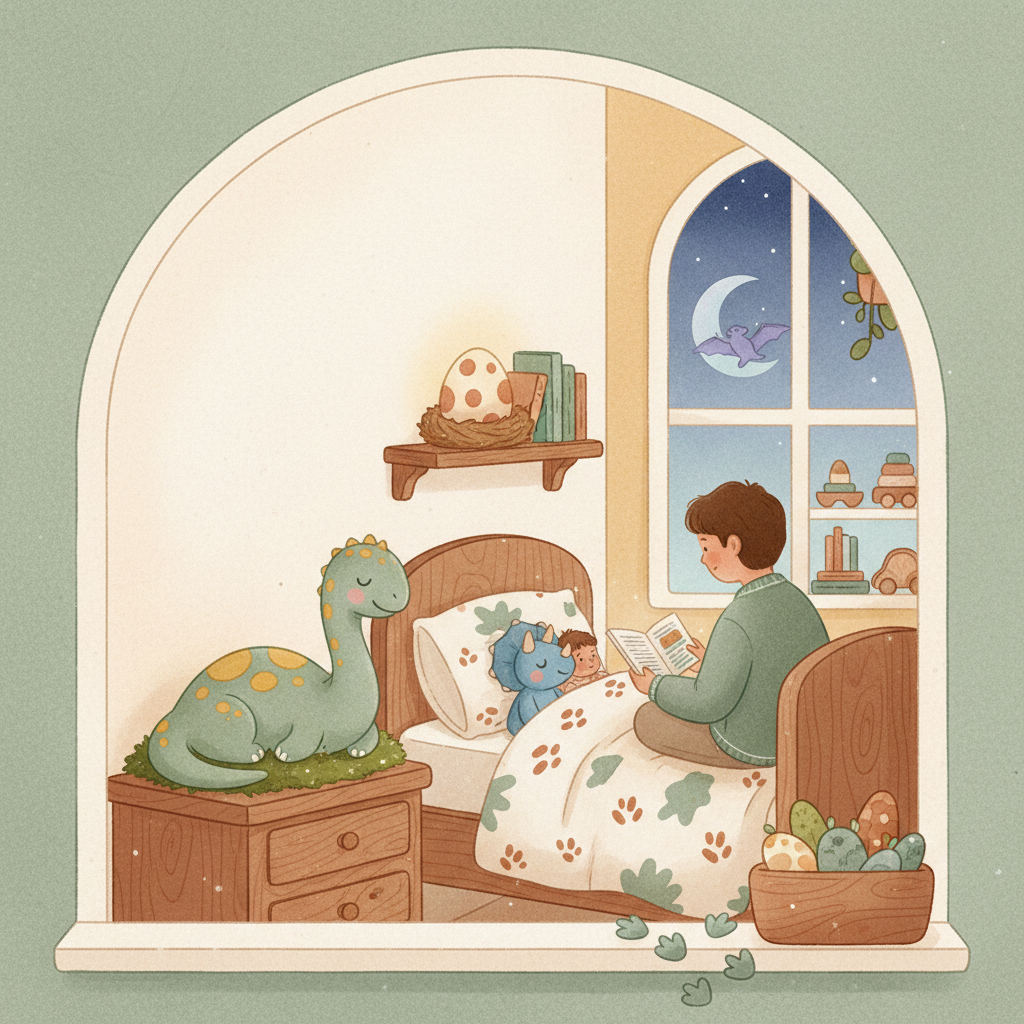
As parents, we often seek gentle rhythms to help our little ones thrive. A healthy bedtime routine for kids is one of the most impactful structures we can create, offering not just the promise of rest, but also a comforting sense of predictability for your tiny T-rex fan. Think of it as a gentle, predictable pathway guiding them from the day's adventures to the calm of sleep.
Pediatric experts frequently highlight the importance of consistent bedtime routines. According to the American Academy of Pediatrics (AAP), establishing a regular bedtime routine can contribute positively to a child's sleep quality and overall well-being. This consistent structure can signal to a child's body that it’s time to wind down, making the transition to sleep smoother. Source: American Academy of Pediatrics It's not about rigid schedules, but rather about creating a predictable sequence of calming activities that your child can anticipate and enjoy.
Setting the Stage: Environment and Timing
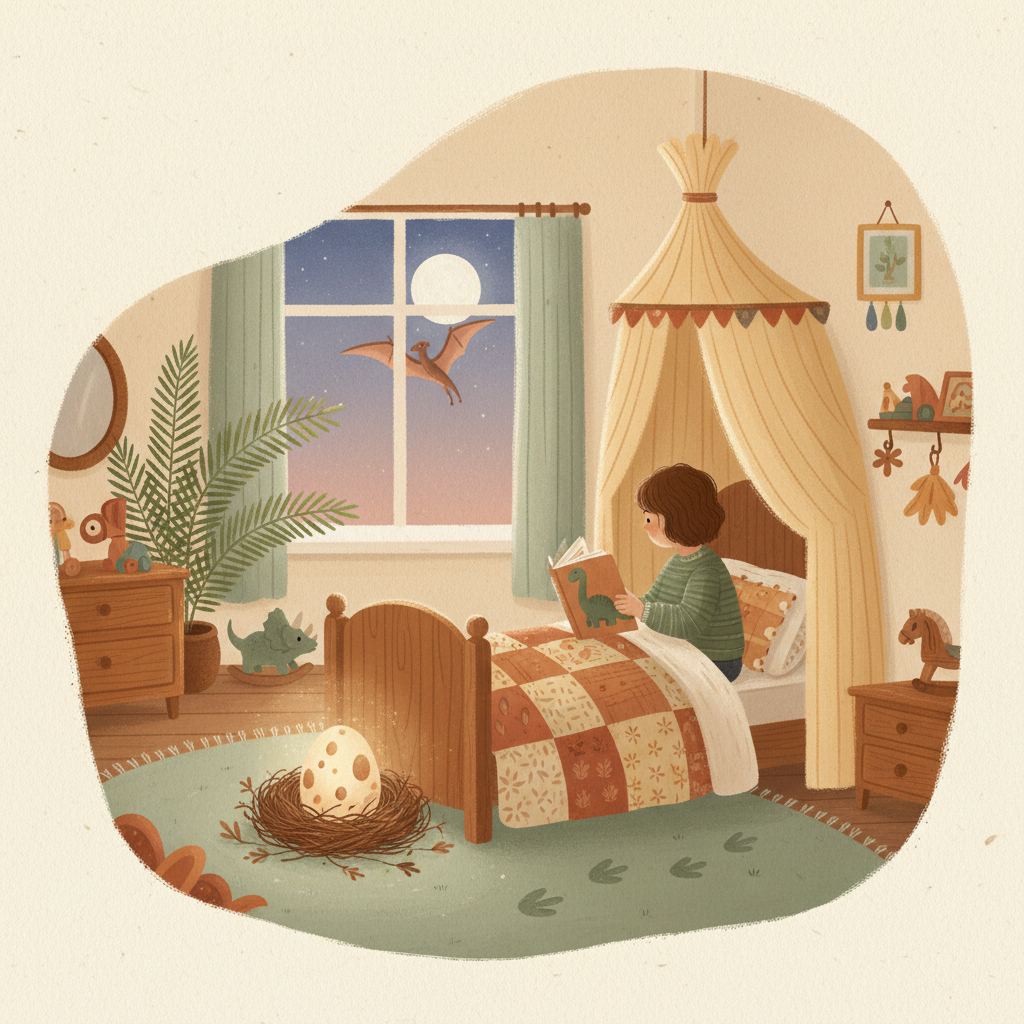
Creating a conducive sleep environment is a cornerstone of a healthy bedtime routine for kids. Just as a magnificent brontosaurus needs a calm watering hole, your little one needs a serene space for rest. The Sleep Foundation emphasizes that a child's bedroom should be dark, quiet, and cool for optimal sleep. Source: The Sleep Foundation Consider room-darkening shades to block out morning light, and explore white noise machines if external sounds are disruptive. Keeping the room temperature comfortable, generally between 68 and 72 degrees Fahrenheit, can also make a significant difference.
Timing also plays a crucial role. While it might seem challenging, striving for a consistent bedtime, even on weekends, can greatly benefit your child's internal clock. The National Institutes of Health (NIH) points out that consistent sleep-wake times support the body's natural circadian rhythm, which in turn promotes better sleep. Source: National Institutes of Health Many families find that a bedtime between 7:00 PM and 8:00 PM often works well for preschoolers and young school-aged children, though this can vary based on individual needs and wake-up times.
"Consistency in a bedtime routine helps children emotionally and physically prepare for sleep, fostering a sense of security and calm."
Crafting Calming Rituals
The heart of a healthy bedtime routine for kids lies in its calming activities. These are the gentle steps that signal to your little paleontologist that the day is winding down. The structure of these rituals is more important than the specific activities themselves, though there are many beloved options parents explore.
Here are some common and effective elements often incorporated into a soothing routine:
- Warm Bath: A warm bath can be wonderfully relaxing, helping to lower body temperature slightly afterwards, which can promote sleepiness. Make it a fun, splashy transition from energetic play to a more relaxed state.
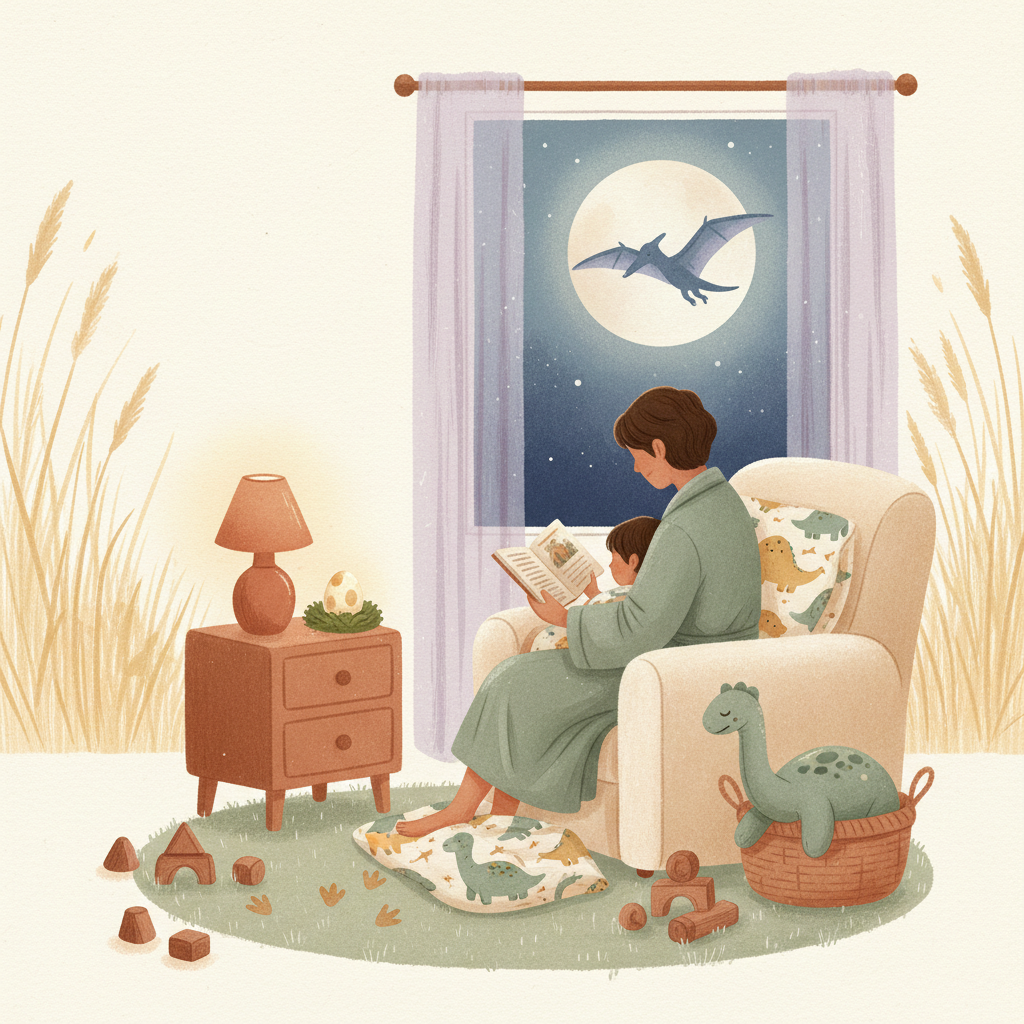
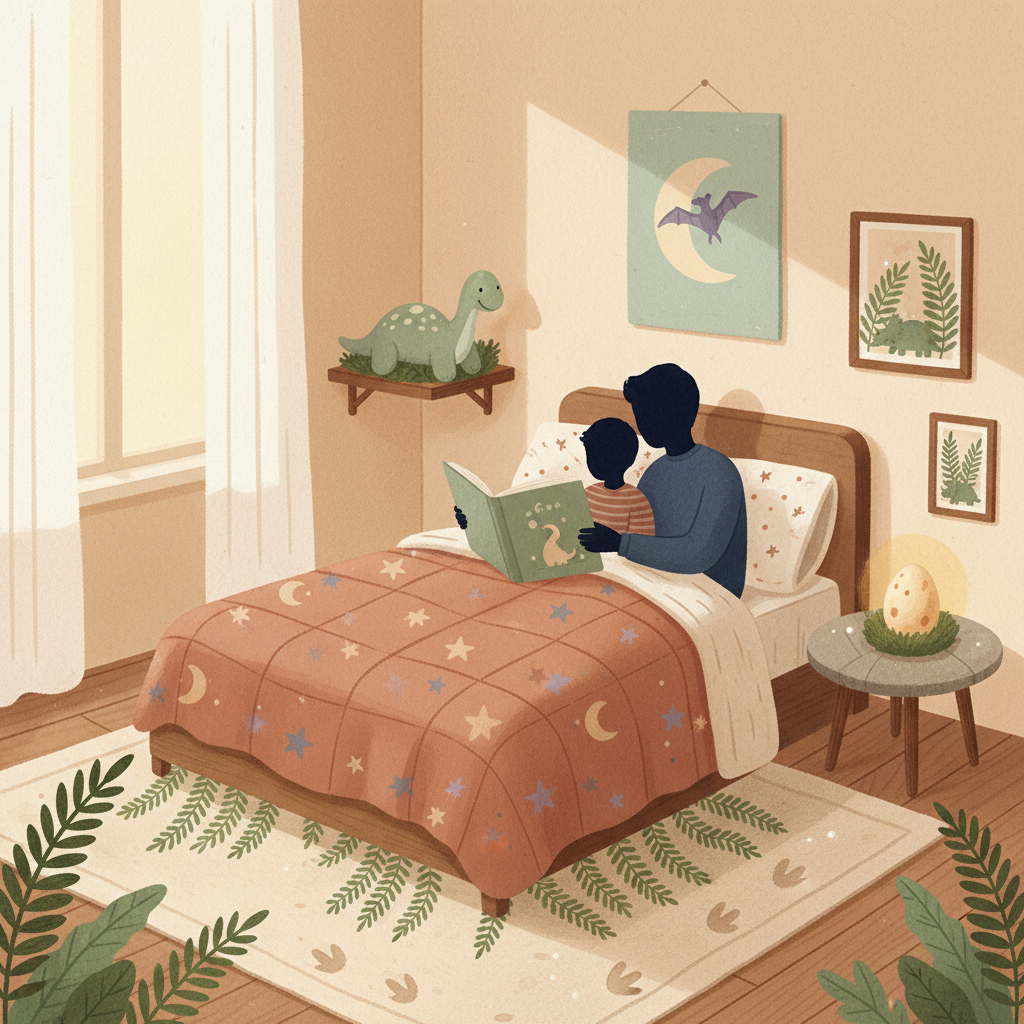
- Quiet Reading Time: Sharing a book together is a cherished bedtime tradition for many families. It fosters connection, sparks imagination, and winds down the mind. Let your child choose a few favorite books, perhaps even a dinosaur tale or two.
- Gentle Conversation: This is a perfect opportunity for a quiet chat about the day. Ask about their favorite part, or what made them smile. This low-key connection helps process the day's events without overstimulation.
- Singing Lullabies or Soft Music: The soothing sound of a parent's voice or gentle instrumental music can be incredibly calming, helping to create a peaceful atmosphere.
- Brushing Teeth: Incorporate hygiene proactively. Brushing teeth is a non-negotiable part of daily care that naturally fits into a pre-sleep routine.
The key is to keep these activities screen-free and low-key. Pediatric experts from the American Academy of Pediatrics often suggest avoiding screens (TVs, tablets, phones) for at least an hour before bedtime, as the blue light emitted can interfere with melatonin production, a natural sleep hormone. Source: American Academy of Pediatrics
For more ideas on weaving these elements together, you might find inspiration in our post on Crafting a Soothing Evening Routine for Your Little One.
Navigating Common Bedtime Challenges
Even with the best intentions, bedtime can sometimes present challenges. "One more story!" or "I'm not sleepy!" are phrases familiar to many parents. These moments are opportunities to gently reinforce boundaries and consistency within your healthy bedtime routine for kids.
- Bedtime Resistance: When your child resists going to bed, respond with calm reassurance rather than frustration. Acknowledge their feelings, "I know you'd rather keep playing, but now it's time for bed." Stick to the established routine as much as possible.
- Night Wakings: If your child wakes up during the night, a brief, calm presence can be helpful. Reassure them and gently guide them back to sleep without prolonging the interaction. Avoid turning on bright lights or engaging in stimulating activities.
- Nightmares and Night Terrors: These are different phenomena. Nightmares often happen later in the night and your child might remember them. Offer comfort and reassurance. Night terrors, on the other hand, typically occur earlier in the night, and your child may appear awake but unresponsive, with no memory of the event. During a night terror, simply ensure their safety. It's important to remember that these are common developmental stages for many children.
The Cleveland Clinic notes that many sleep challenges in children are normal and often resolve with consistent routines and a supportive environment. Source: Cleveland Clinic If you notice persistent sleep difficulties or have concerns, a conversation with your pediatrician can provide personalized guidance.
The My Little Dino Difference
As you thoughtfully craft your healthy bedtime routine for kids, remember that the goal is not perfection, but rather consistent, loving presence. These moments are precious and fleeting. For a calm 60-second bedtime ritual app for dinosaur-loving kids, we invite you to explore My Little Dino, designed to perfectly complement your family's evening wind-down. Join the waitlist and discover how a tiny bit of dino magic can enhance your routine.
Gentle Reminder
This article provides general information for educational purposes only and is not intended as medical advice. Every child is unique, and sleep patterns can vary. Please consult your pediatrician or a qualified healthcare professional regarding any specific sleep, behavior, or health concerns your child may have.
Sources
My Little Dino
A calm 60-second bedtime ritual for dinosaur-loving little ones.
Parent-led, screen-soft, and made for 3–7 year olds who'd rather hear about a sleepy brontosaurus than brush their teeth.
Sources
- Healthy Sleep Habits for School-Age Children — American Academy of Pediatrics
- Sleep Hygiene for Kids — The Sleep Foundation
- Understanding Sleep — National Institutes of Health
- Sleep Problems in Children — Cleveland Clinic
Educational content only. Not medical advice. Please consult your pediatrician about sleep concerns.