Crafting a Quiet Bedtime Routine for Kids
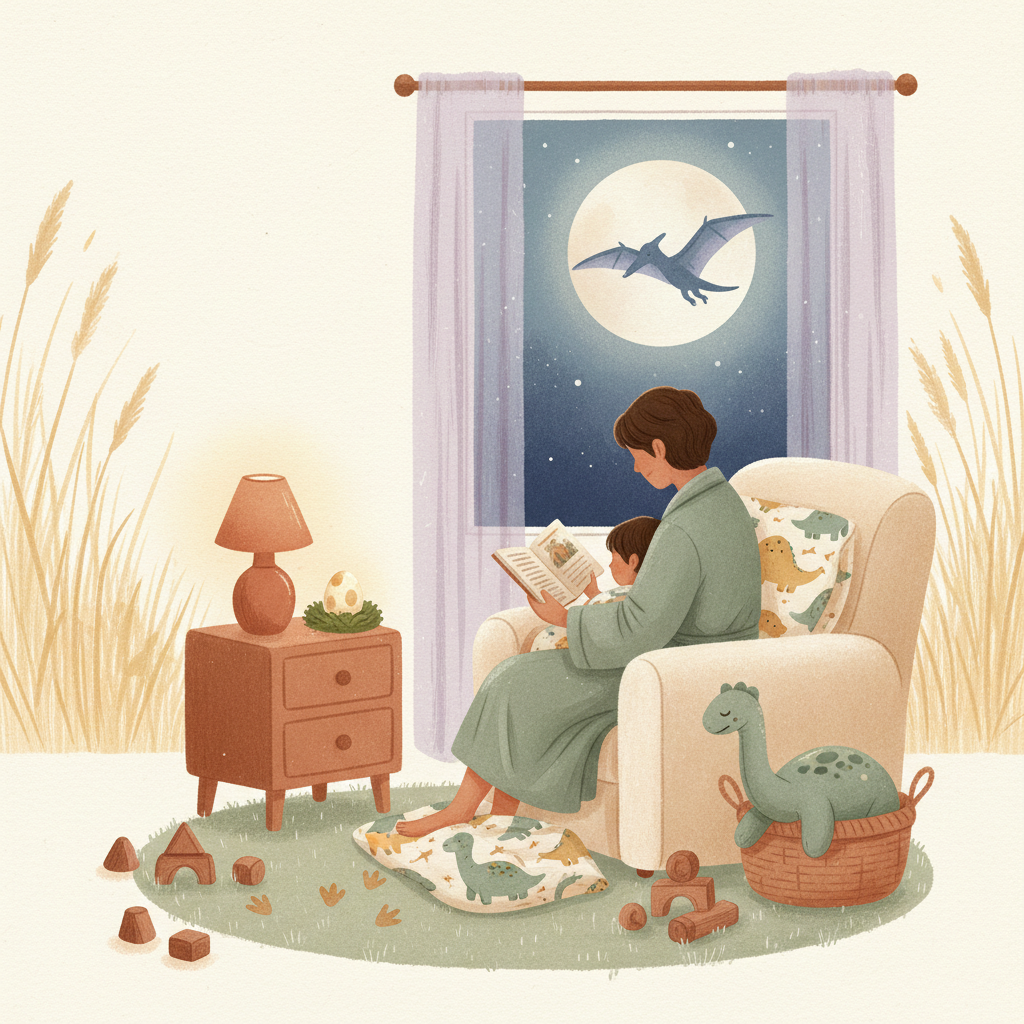
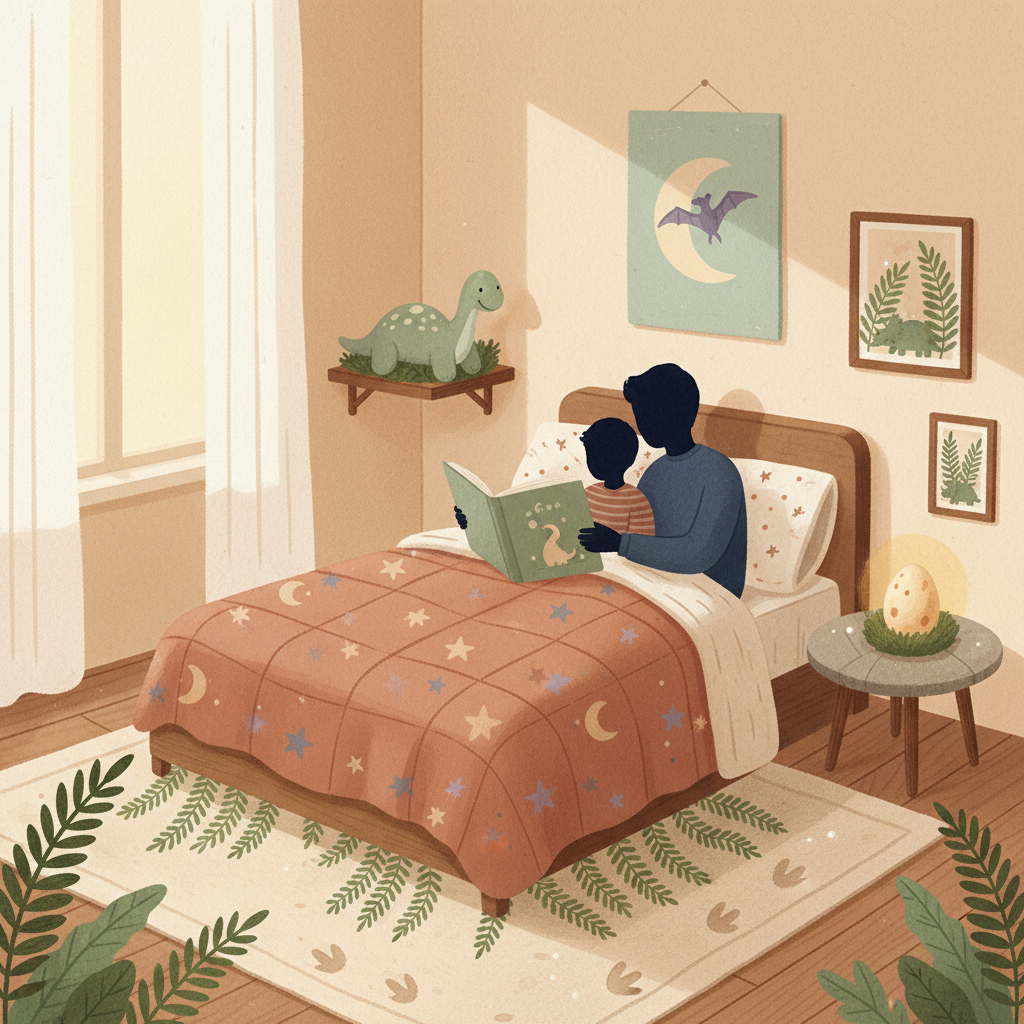
As parents, we all dream of serene evenings, where our little ones drift off to sleep peacefully, ready for a restful night. Yet, the reality can often feel more like a prehistoric stomp than a gentle lullaby. Crafting a quiet bedtime routine for kids, however, can make a remarkable difference, creating an atmosphere of calm that benefits the entire family.
Pediatric experts often highlight the importance of consistency and calm in a child's pre-sleep ritual. A predictable, quiet sequence of events signals to your child's body and mind that it's time to wind down, making the transition to sleep smoother and more effective. It's about building a gentle bridge from the bustling activities of the day to the tranquility of the night.
The Science of Serenity: Why Quiet Matters
The hustle and bustle of daily life, even for our littlest paleontologists, can be stimulating. Bright lights, engaging activities, screen time, and even lively conversations can keep their brains wide awake, making it harder to settle down when bedtime arrives. This is where the intentional quiet in a bedtime routine becomes invaluable.
According to the American Academy of Pediatrics (AAP), creating a consistent bedtime routine helps children understand expectations and prepare for sleep. They emphasize activities like reading, quiet play, or bathing as excellent ways to wind down before bed [https://www.healthychildren.org/English/healthy-living/sleep/Pages/Healthy-Sleep-Habits-for-Young-Children.aspx]. The AAP consistently underscores the importance of a routine that is both predictable and calming, helping little ones transition from active play to restful sleep.
The Sleep Foundation further elaborates that a calm, quiet environment is crucial for promoting sleep in children. They note that exposure to light, especially blue light from screens, can interfere with the body's natural production of melatonin, the hormone that helps regulate sleep [https://www.sleepfoundation.org/children-and-sleep/sleep-hygiene-for-children]. This interference highlights why transitioning to quiet, dimly lit activities before bed is so beneficial. Think of it as a gentle dimming of the lights on their internal dinosaur brain, signaling that it's time for slumber.
"Consistency and predictability are cornerstones of a successful bedtime routine. When children know what to expect, they feel secure, and that security fosters an environment conducive to sleep."
Setting the Scene: Creating a Sleep-Friendly Environment
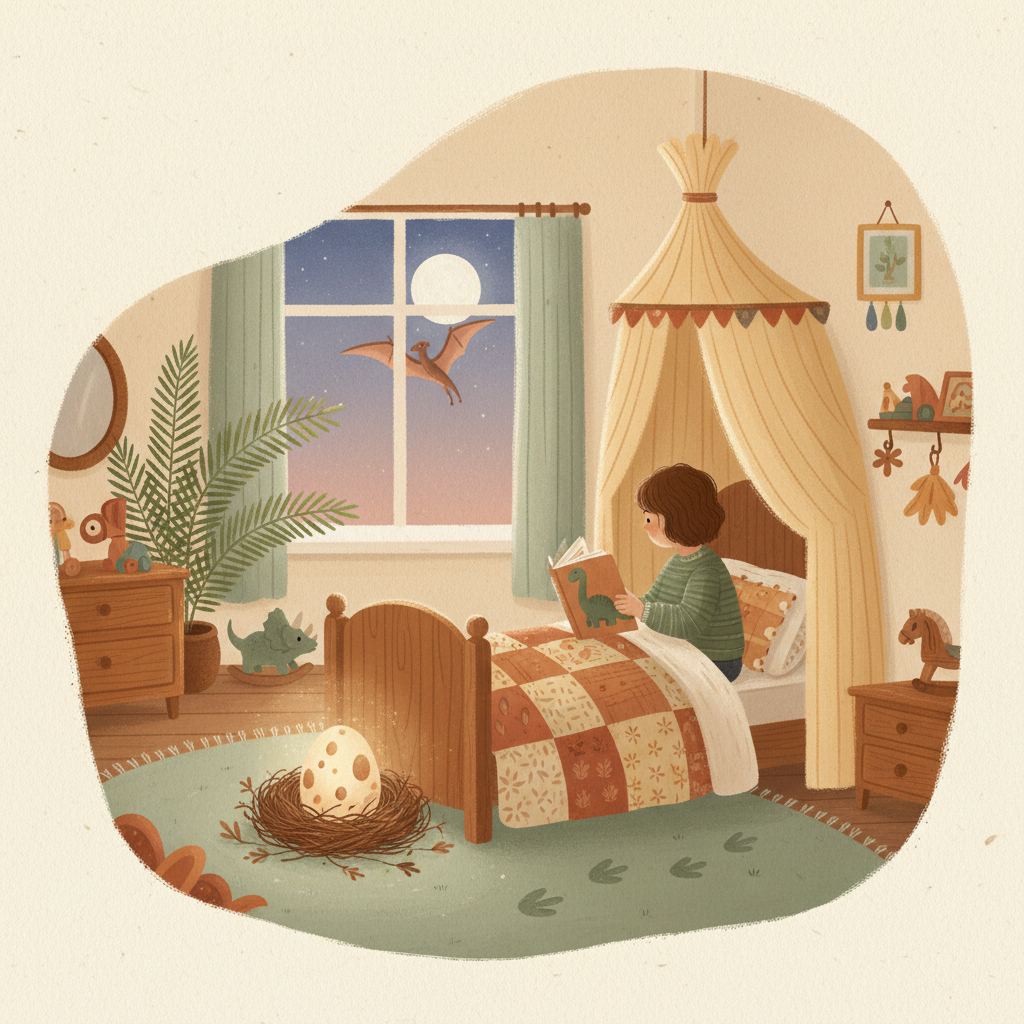
Before diving into the activities of a quiet routine, it’s helpful to ensure the sleep environment itself is optimized for rest. Imagine an ancient, cozy cave—dark, cool, and peaceful. Your child
Further reading from trusted pediatric sources:
A calm parent checklist
For families who want one practical place to start, keep the evening plan simple, repeatable, and easy for a tired child to recognize. The goal is not perfection. It is a steady rhythm: a quiet cue, a predictable order, and a gentle finish that parents can repeat most nights without turning bedtime into a long negotiation.
- Choose two or three steps that already fit your home.
- Keep the order familiar, even when the exact timing changes.
- Let the room, lights, and voice signal that the day is slowing down.
- Save big conversations, rough play, and stimulating choices for earlier in the evening.
For broader context, parents can compare their routine with trusted sleep education such as American Academy of Pediatrics. My Little Dino can sit inside that routine as a short, cozy dinosaur moment when families want a softer transition into the final part of the night.
A calm parent checklist
For families who want one practical place to start, keep the evening plan simple, repeatable, and easy for a tired child to recognize. The goal is not perfection. It is a steady rhythm: a quiet cue, a predictable order, and a gentle finish that parents can repeat most nights without turning bedtime into a long negotiation.
- Choose two or three steps that already fit your home.
- Keep the order familiar, even when the exact timing changes.
- Let the room, lights, and voice signal that the day is slowing down.
- Save big conversations, rough play, and stimulating choices for earlier in the evening.
For broader context, parents can compare their routine with trusted sleep education such as American Academy of Pediatrics. My Little Dino can sit inside that routine as a short, cozy dinosaur moment when families want a softer transition into the final part of the night.
A calm parent checklist
For families who want one practical place to start, keep the evening plan simple, repeatable, and easy for a tired child to recognize. The goal is not perfection. It is a steady rhythm: a quiet cue, a predictable order, and a gentle finish that parents can repeat most nights without turning bedtime into a long negotiation.
- Choose two or three steps that already fit your home.
- Keep the order familiar, even when the exact timing changes.
- Let the room, lights, and voice signal that the day is slowing down.
- Save big conversations, rough play, and stimulating choices for earlier in the evening.
For broader context, parents can compare their routine with trusted sleep education such as American Academy of Pediatrics. My Little Dino can sit inside that routine as a short, cozy dinosaur moment when families want a softer transition into the final part of the night.
A calm parent checklist
For families who want one practical place to start, keep the evening plan simple, repeatable, and easy for a tired child to recognize. The goal is not perfection. It is a steady rhythm: a quiet cue, a predictable order, and a gentle finish that parents can repeat most nights without turning bedtime into a long negotiation.
- Choose two or three steps that already fit your home.
- Keep the order familiar, even when the exact timing changes.
- Let the room, lights, and voice signal that the day is slowing down.
- Save big conversations, rough play, and stimulating choices for earlier in the evening.
For broader context, parents can compare their routine with trusted sleep education such as American Academy of Pediatrics. My Little Dino can sit inside that routine as a short, cozy dinosaur moment when families want a softer transition into the final part of the night.
A calm parent checklist
For families who want one practical place to start, keep the evening plan simple, repeatable, and easy for a tired child to recognize. The goal is not perfection. It is a steady rhythm: a quiet cue, a predictable order, and a gentle finish that parents can repeat most nights without turning bedtime into a long negotiation.
- Choose two or three steps that already fit your home.
- Keep the order familiar, even when the exact timing changes.
- Let the room, lights, and voice signal that the day is slowing down.
- Save big conversations, rough play, and stimulating choices for earlier in the evening.
For broader context, parents can compare their routine with trusted sleep education such as American Academy of Pediatrics. My Little Dino can sit inside that routine as a short, cozy dinosaur moment when families want a softer transition into the final part of the night.
My Little Dino
A calm 60-second bedtime ritual for dinosaur-loving little ones.
Parent-led, screen-soft, and made for 3–7 year olds who'd rather hear about a sleepy brontosaurus than brush their teeth.
Sources
- Healthy Sleep Habits for Young Children — American Academy of Pediatrics
- Sleep Hygiene For Children — The Sleep Foundation
- Sleep and Young Children — Zero to Three
Educational content only. Not medical advice. Please consult your pediatrician about sleep concerns.