Crafting an Easy Bedtime Routine for Your Little Dino
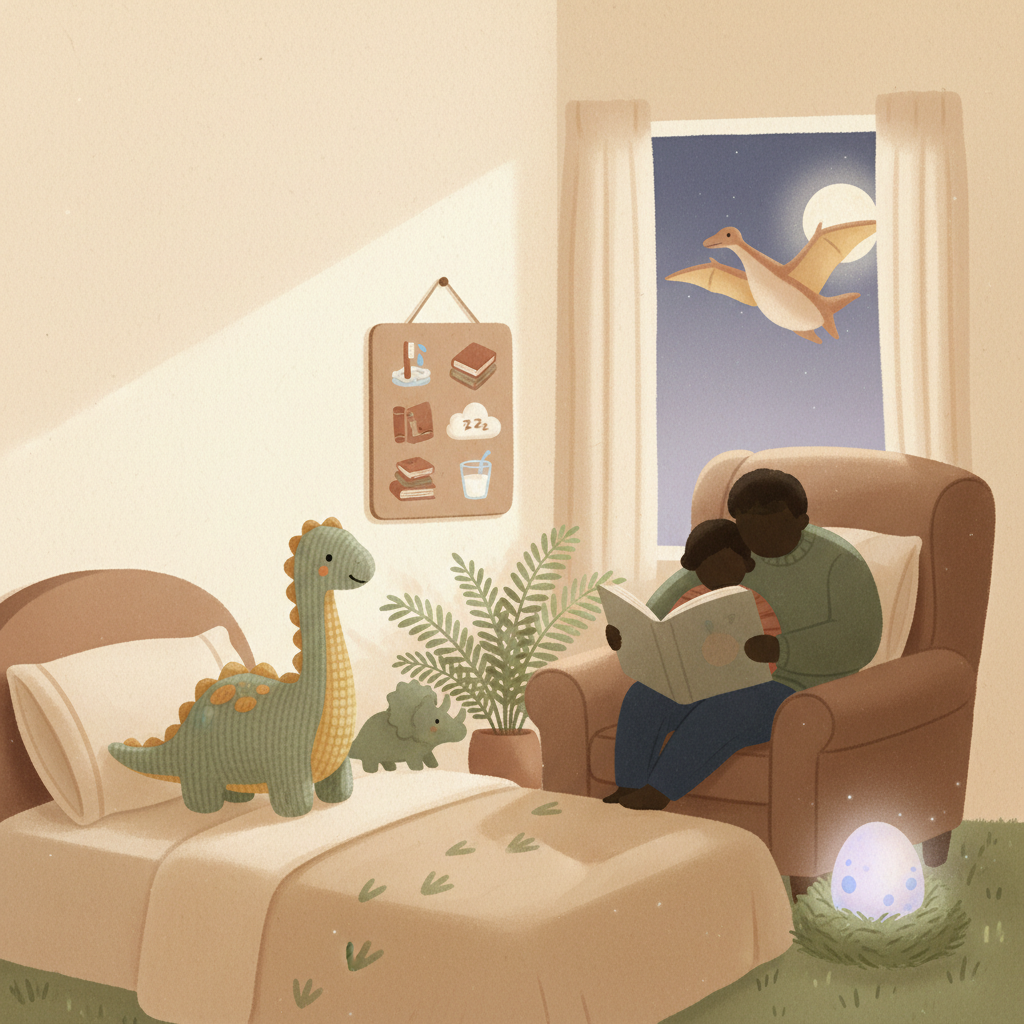
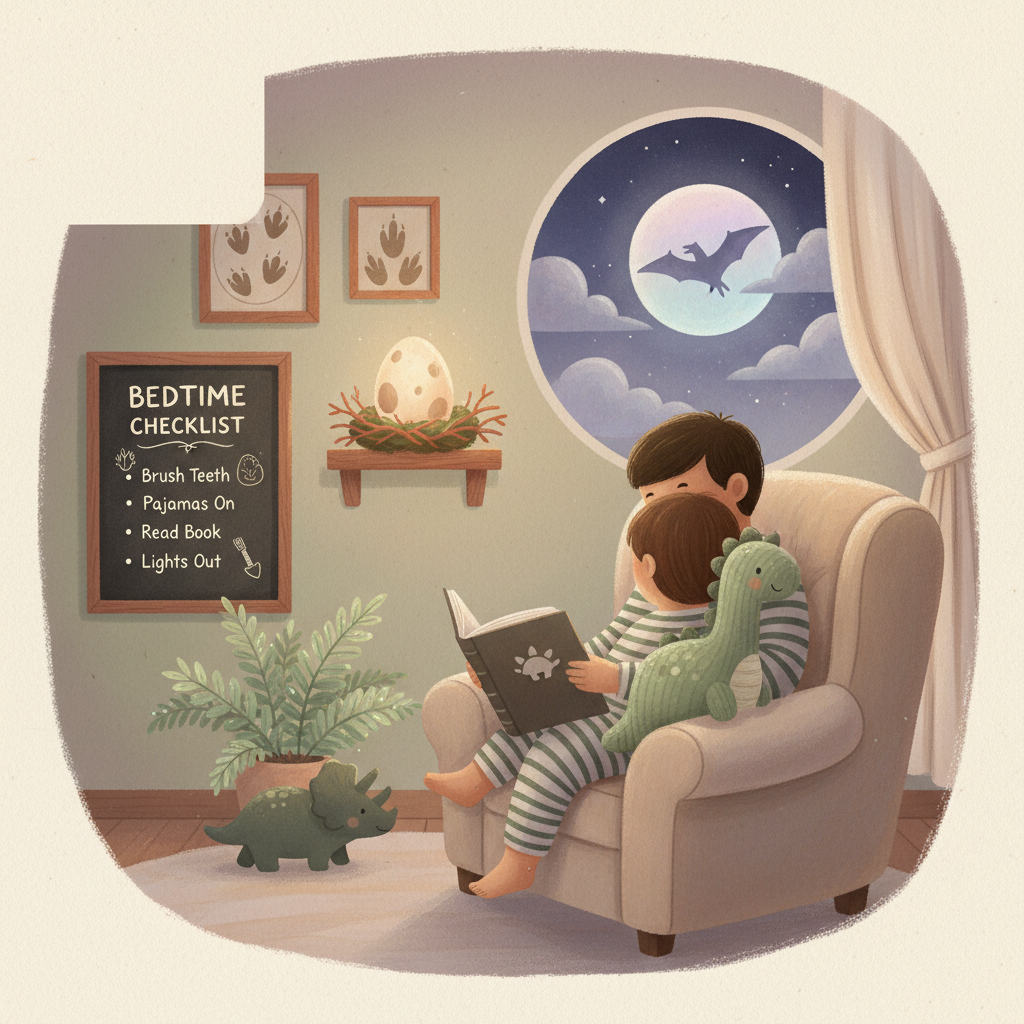
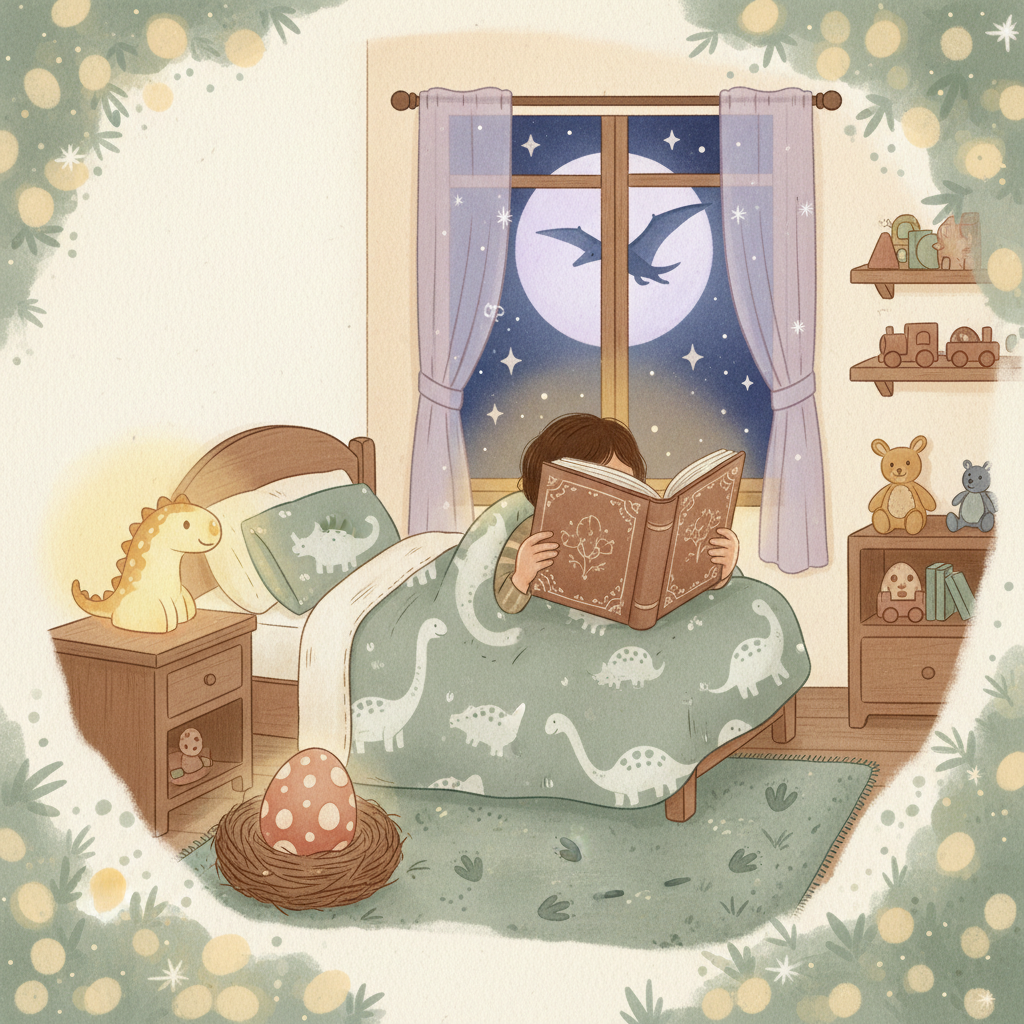
Navigating bedtime with a spirited 3-6 year old can sometimes feel like trying to herd a flock of pterodactyls into a cozy cave. As parents, we all yearn for those peaceful evenings where our little paleontologists drift off to dreamland with ease. The good news is that crafting an easy bedtime routine for kids doesn't require a complex excavation plan; it's about consistency, connection, and creating a calm environment. Drawing on the wisdom of pediatric experts, we'll explore how to establish a soothing sequence that works for your family, turning bedtime into a cherished ritual.<br><br>Many families find that a predictable routine helps children feel secure and understand what comes next. According to the American Academy of Pediatrics, good sleep habits begin early, and a consistent bedtime routine is a cornerstone of this. This isn't about rigid perfection, but rather a flexible framework that signals to your child's body and mind that it's time to wind down.<br><br>## Why Routines Are Roar-some for Sleep<br><br>Think of a bedtime routine as a gentle ramp, not an abrupt cliff, leading your child from the energetic world of play to the tranquil realm of sleep. For young children, especially those in the 3-6 age range, consistency provides a sense of security and helps regulate their internal clock. The Sleep Foundation emphasizes that a consistent bedtime routine can improve sleep quality, reduce bedtime struggles, and even promote longer sleep duration. This predictability helps reduce anxiety and fosters cooperation, making the transition much smoother for everyone involved.<br><br>Children thrive on routine. It gives them a sense of control and helps them understand expectations. When the same calming activities happen in the same order each night, a child learns to anticipate bedtime, rather than resist it. This creates a positive association with sleep, setting the stage for restful nights. Moreover, a well-established routine can often help parents identify and address potential sleep disruptors more easily.<br><br>## Setting the Scene: The Bedtime Sanctuary<br><br>Just as a clever velociraptor needs a safe nest, your child needs a calming sleep environment. Before diving into the routine itself, consider the physical space. The American Academy of Pediatrics suggests creating a sleep environment that is dark, quiet, and cool. This means dimming the lights an hour or so before bedtime to signal to your child's body that it's time to start producing melatonin, the hormone associated with sleep.<br><br>Noise levels are also important. While some children might find white noise soothing, loud or unpredictable noises can be disruptive. Ensure the bedroom is a peaceful retreat, free from stimulating toys or screens. Many families find that keeping the bedroom primarily for sleep and quiet activities helps reinforce its purpose as a sanctuary. A favorite blanket, a beloved stuffed dinosaur, or a special bedtime book can also contribute to a sense of comfort and security within this space.<br><br>>
Further reading from trusted pediatric sources:
My Little Dino
A calm 60-second bedtime ritual for dinosaur-loving little ones.
Parent-led, screen-soft, and made for 3–7 year olds who'd rather hear about a sleepy brontosaurus than brush their teeth.
Sources
- Good Sleep Habits Start Early — American Academy of Pediatrics
- Bedtime Routine for Children — Sleep Foundation
- Helping Your Child Sleep Soundly — Zero to Three
Educational content only. Not medical advice. Please consult your pediatrician about sleep concerns.