Crafting a Calm Kindergarten Bedtime Routine for Your Little Dino
Crafting a Calm Kindergarten Bedtime Routine for Your Little Dino
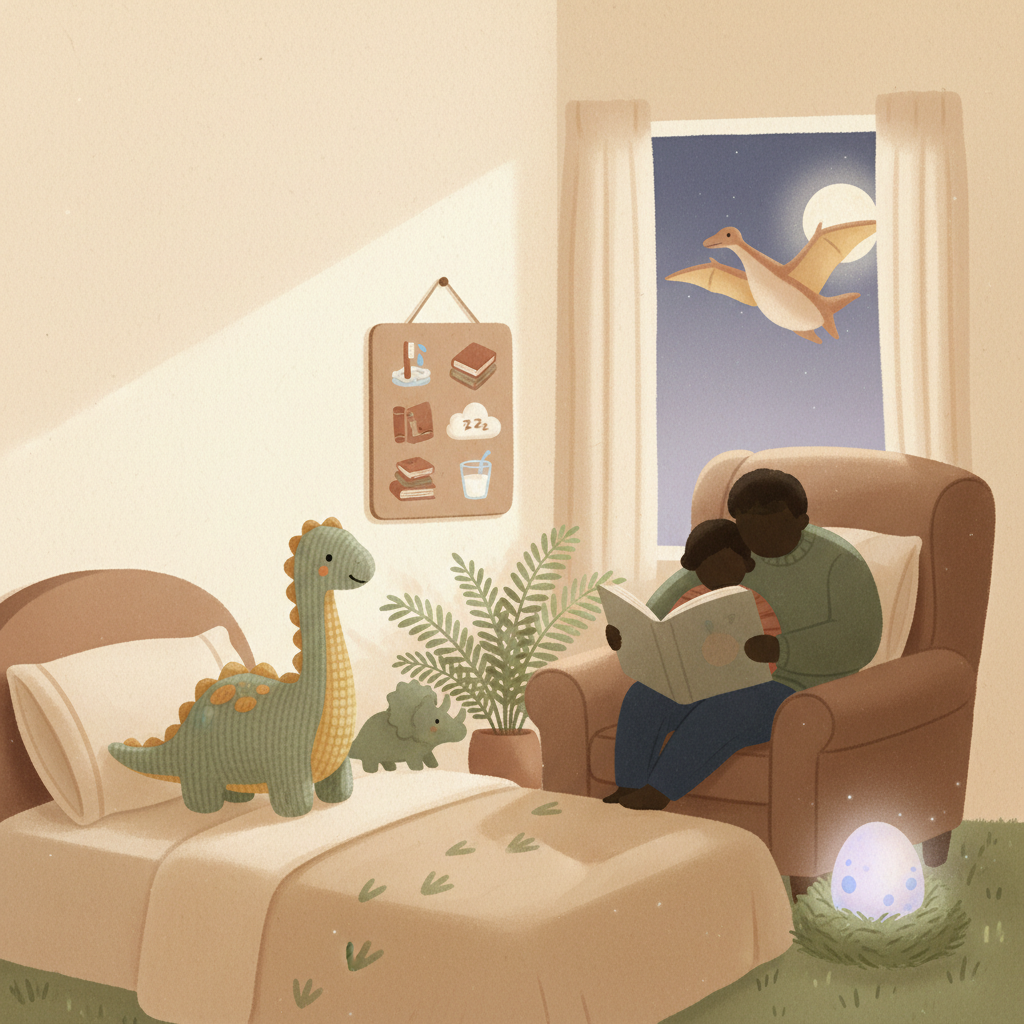
The transition to kindergarten is a monumental leap for our little ones and us as parents. New friends, exciting learning, and a more structured schedule can bring a whirlwind of emotions and new experiences. With all this change, a calm and predictable kindergarten bedtime routine can become a true anchor, offering a sense of security and peaceful closure to their busy days. Think of it like a gentle, familiar trail leading your tiny T-rex fan from the day’s adventures to the quiet oasis of sleep.
Establishing a consistent routine is more than just about getting to bed on time; it's about signaling to your child's body and mind that it's time to wind down. Many families find that a well-loved routine can help ease evening struggles and foster more restorative sleep. According to the American Academy of Pediatrics (AAP), children aged 6-12 years need 9-12 hours of sleep per 24 hours (including naps) for optimal health [https://www.healthychildren.org/English/healthy-living/sleep/Pages/Healthy-Sleep-Habits-for-School-Age-Children.aspx]. While kindergartners are typically at the younger end of this range, 3–6 year olds also benefit from a significant amount of sleep, with the AAP recommending 10-13 hours per 24 hours (including naps) [https://www.healthychildren.org/English/healthy-living/sleep/Pages/Healthy-Sleep-Habits-for-School-Age-Children.aspx]. Sleep plays a vital role in their physical growth, emotional regulation, and academic success. It's during these quiet hours that their brains consolidate all the amazing new things they learned during the day.
Why a Consistent Routine Matters So Much for Kindergartners
Kindergarten introduces a whole new level of structure and expectation into your child's life. From keeping pace with classroom activities to navigating social dynamics, their days are filled with stimulation. This increased activity makes a predictable bedtime even more crucial. The Sleep Foundation highlights that a consistent sleep schedule and bedtime routine can help children fall asleep faster and stay asleep longer [https://www.sleepfoundation.org/children-and-sleep/bedtime-routine]. For a kindergartner, knowing what comes next in their evening can alleviate anxiety and help them transition smoothly from play to rest. It's a comforting rhythm that helps them feel safe and understood.
Consider how your little paleontologist might process their day. New challenges mean more processing, and a consistent routine offers a reliable framework for winding down. The National Institutes of Health (NIH) emphasizes that healthy sleep habits are fundamental for children's overall well-being, influencing their immune system, academic performance, and even their emotional health [https://www.nih.gov/news-events/news-releases/sleep-deprivation-affects-childrens-wellbeing-behavior-academic-performance]. A well-established routine supports these crucial developmental areas by promoting consistent, quality sleep.
Building Blocks of a Peaceful Kindergarten Bedtime Routine
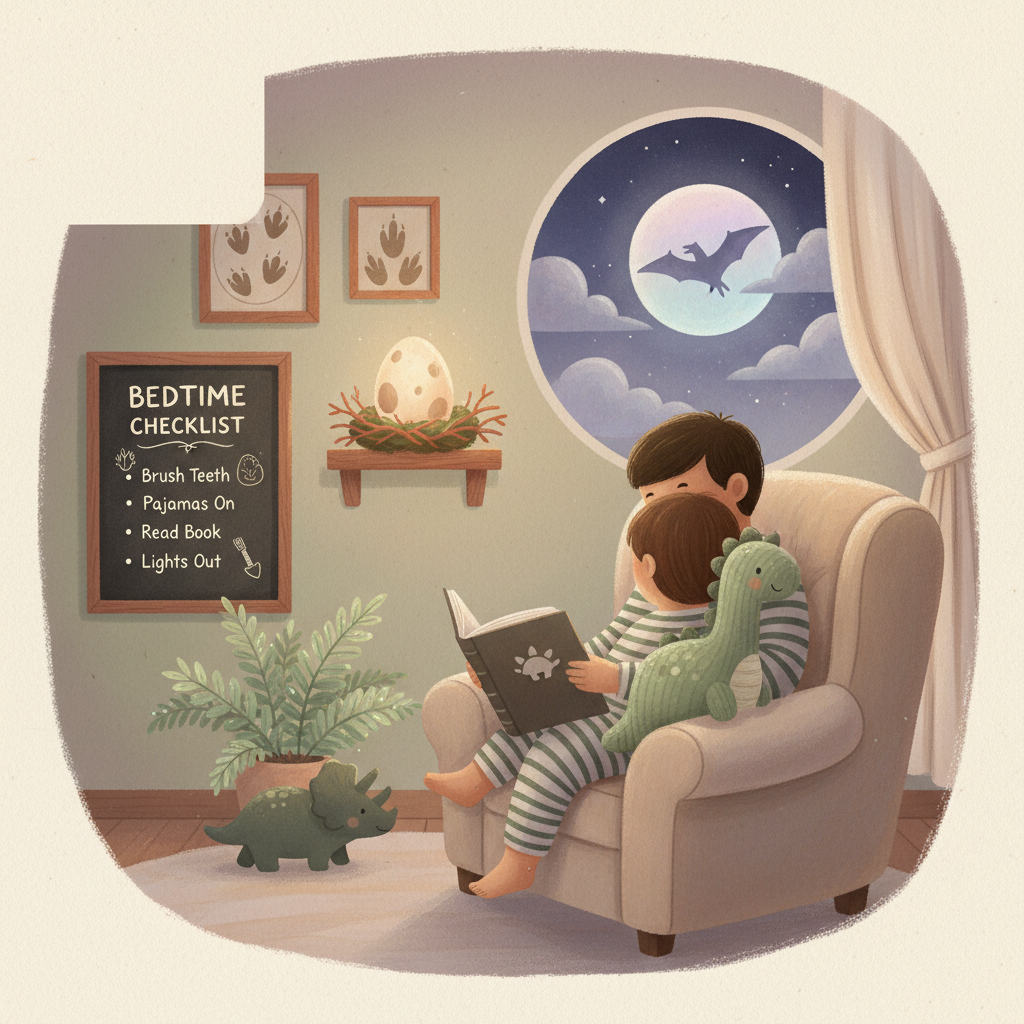
A truly effective bedtime routine doesn't need to be overly complicated. The goal is a series of calming activities that signal the end of the day and prepare your child for sleep. Pediatric experts at Nationwide Children's Hospital suggest that a good bedtime routine includes quiet activities performed in the same order each night [https://www.nationwidechildrens.org/specialties/sleep-disorder-center/sleep-in-children/sleep-routines]. While every family will find their unique rhythm, here are some common elements many parents find helpful:
- Dinner at a consistent time: Aim for a hearty, healthy dinner that isn't too close to bedtime. This allows for proper digestion.
- Wind-down time (e.g., quiet play or reading): Transition away from stimulating activities at least an hour before bed. This is a great time for building Lego towers, drawing, or working on a puzzle.
- Hygiene rituals: Bath or shower, brushing teeth, and potty breaks are essential steps.
- Bedtime story or quiet reading: A beloved classic or a new adventure can be a wonderful way to connect and relax.
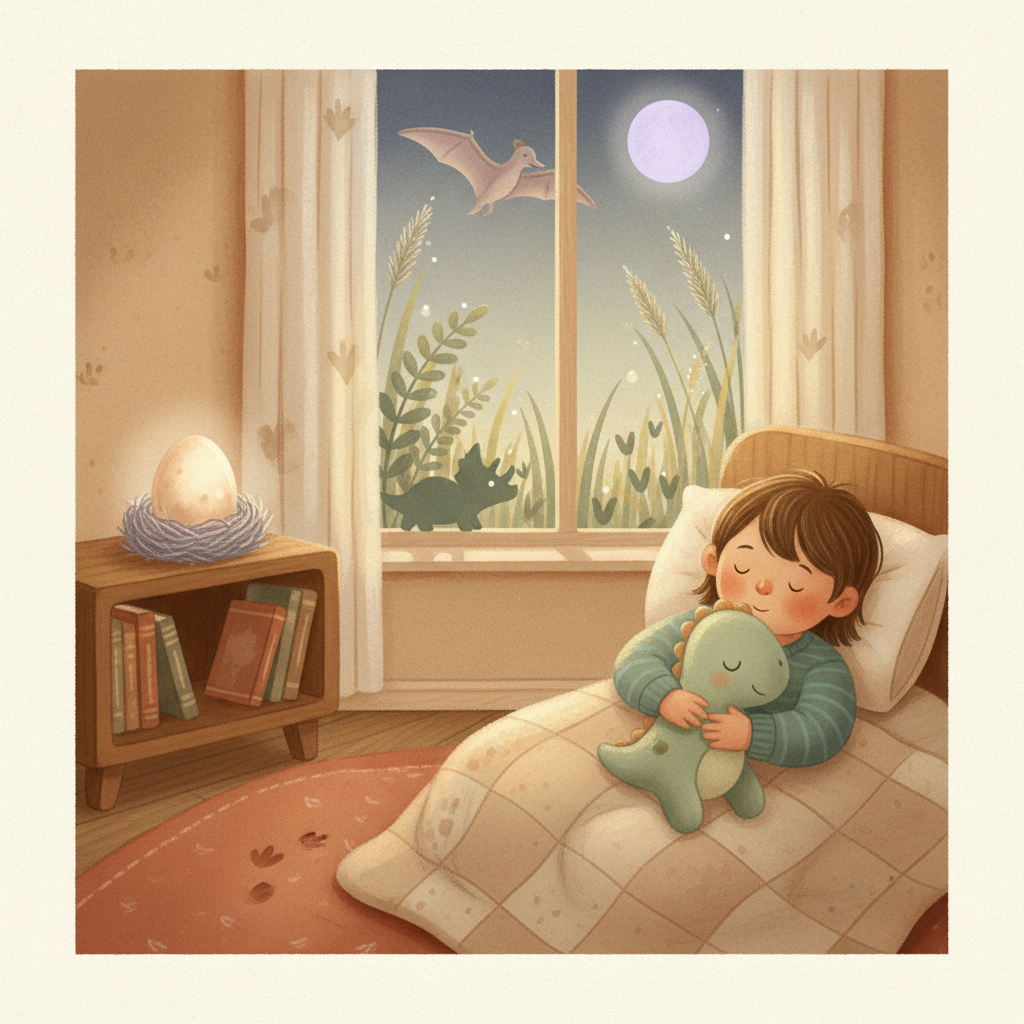
- Snuggles and goodnights: A few moments of quiet closeness, reassuring words, and perhaps a special song.
My Little Dino
A calm 60-second bedtime ritual for dinosaur-loving little ones.
Parent-led, screen-soft, and made for 3–7 year olds who'd rather hear about a sleepy brontosaurus than brush their teeth.
Sources
- Healthy Sleep Habits for School-Age Children — American Academy of Pediatrics
- Bedtime Routine for Children — Sleep Foundation
- Sleep Deprivation Affects Children’s Wellbeing, Behavior, Academic Performance — National Institutes of Health
- Sleep Routines — Nationwide Children's Hospital
- Children and sleep: How much sleep do kids need? — Mayo Clinic
- Sleep — Zero to Three
Educational content only. Not medical advice. Please consult your pediatrician about sleep concerns.