Crafting a Calm Bedtime Schedule for Your Little Dino
As parents, we all dream of peaceful evenings and children who drift off to sleep with ease. While the hustle and bustle of daily life can often make this feel like a distant dream, establishing a consistent bedtime schedule for your little one can gently guide everyone toward those calmer nights. Think of it like a journey for your tiny T-rex fan, where a well-mapped path makes the destination — a good night's sleep — much more attainable.
Pediatric experts often highlight the importance of routine. According to the American Academy of Pediatrics (AAP), consistent routines can help children understand expectations and transitions, which in turn can lead to smoother bedtimes. "Healthy Sleep Habits: How Many Hours Does Your Child Need?".
Why a Bedtime Schedule Matters for Your Little One
Creating a predictable bedtime schedule isn't just about getting your child to sleep; it's about fostering a sense of security and promoting healthy sleep habits that can last a lifetime. Imagine the comfort your little paleontologist finds in knowing what comes next – the same feeling a consistent schedule provides.
The Sleep Foundation emphasizes that routines signal to a child's body that it’s time to wind down, which can make falling asleep easier. This predictability can help regulate their internal clock. "Helping Children Sleep: Bedtime Routines".
"Consistency is key when it comes to children's sleep. A predictable routine helps children learn to anticipate sleep, making evening transitions smoother and more enjoyable for the entire family."
For many families, a consistent bedtime schedule can significantly reduce bedtime struggles. When children know what to expect, they are often less resistant to the transition from daytime play to nighttime rest. This isn't about strict enforcement, but rather gentle guidance, much like steering a friendly brontosaurus toward a leafy dinner. The American Academy of Pediatrics suggests that children thrive on routine because it creates a sense of safety and allows them to anticipate upcoming events appropriately [https://www.healthychildren.org/English/healthy-living/sleep/Pages/healthy-sleep-habits-how-many-hours-does-your-child-need.aspx].
How Much Sleep Does Your Child Really Need?
Understanding your child's sleep needs is the first step in crafting an effective bedtime schedule. It’s not a one-size-fits-all, but there are general guidelines to consider. The amount of sleep a child needs varies by age and individual. The Sleep Foundation provides comprehensive recommendations for different age groups. For preschoolers (3-5 years), 10-13 hours per 24 hours (including naps) is often suggested, while school-aged children (6-12 years) typically need 9-12 hours "How Much Sleep Do We Really Need?".
It can be helpful to observe your child's behavior and energy levels. Are they waking up refreshed and ready for the day, or are they often groggy and irritable? These insights can help you gauge if their current sleep schedule is meeting their needs. The National Institutes of Health (NIH) highlights that insufficient sleep in children can lead to difficulties with attention, behavior, and learning "Insomnia: What It Is, Symptoms, Causes, approaches", underscoring the importance of adequate rest.
Components of a Soothing Bedtime Routine
Once you have a general idea of your child's sleep needs, you can begin to build a soothing bedtime routine around a consistent schedule. This routine acts as a series of gentle cues, signaling to your child that bedtime is approaching. Many families find that a routine of 20-45 minutes works well, but truly, it’s about what feels right for your family and your little one. You can explore more ideas on building a routine in posts like crafting a calming night routine for your little dino Crafting a Calming Night Routine for Your Little Dino.
Here are some elements often found in successful bedtime routines:
- Wind-Down Activities: Start with calming activities such as a warm bath. A warm bath can be relaxing and help lower body temperature slightly, which is conducive to sleep. According to the Cleveland Clinic, a warm bath around 90 minutes before bedtime can improve sleep quality "Understanding the Circadian Rhythm".
- Oral Hygiene: Brushing teeth is a non-negotiable step and can be incorporated into the routine easily. This helps establish a healthy habit and can be a quiet, reflective moment.
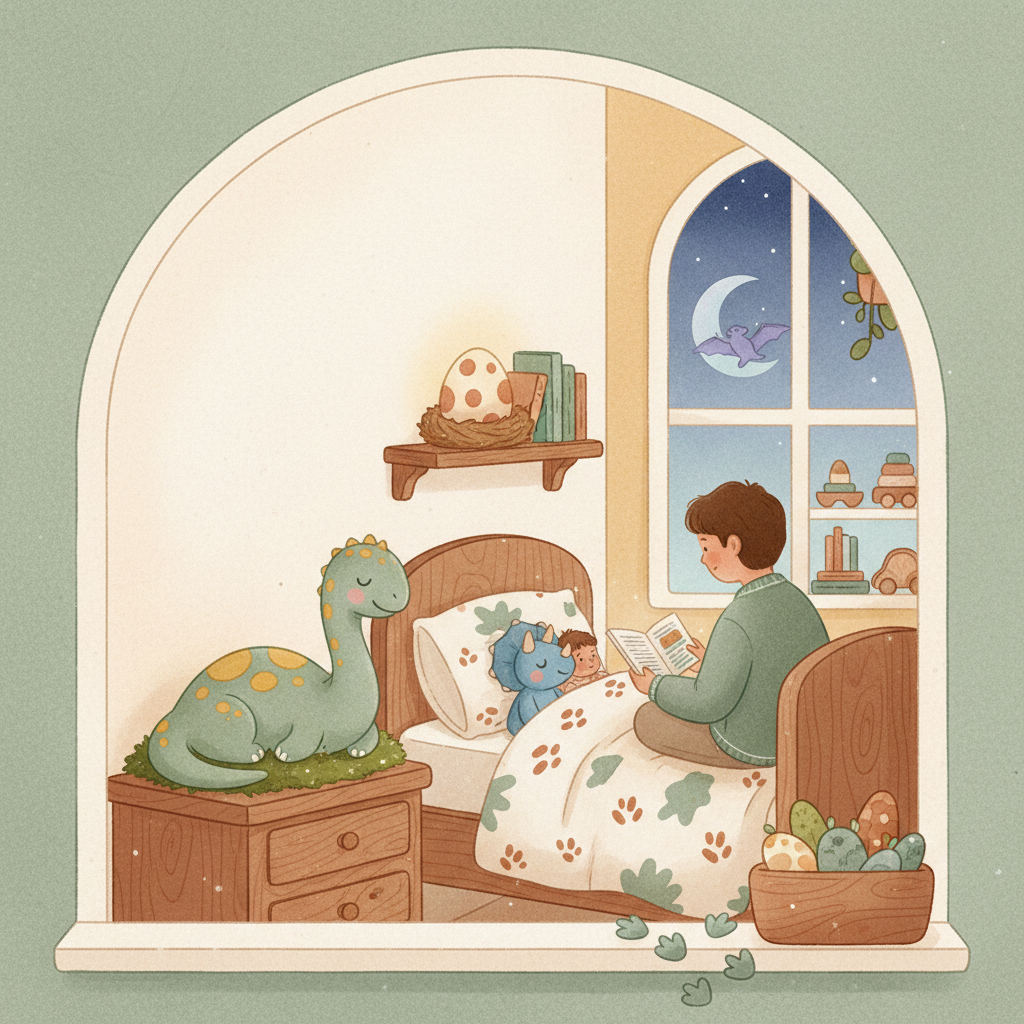
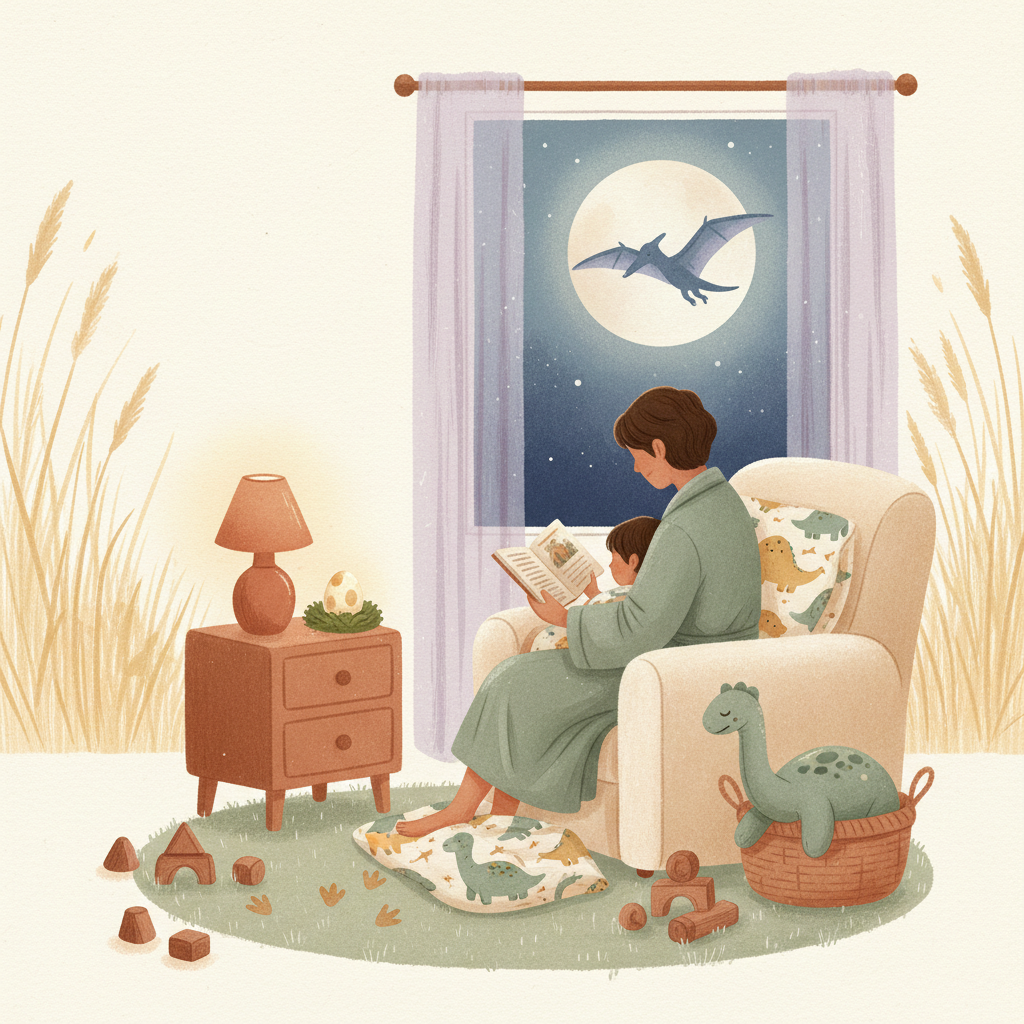
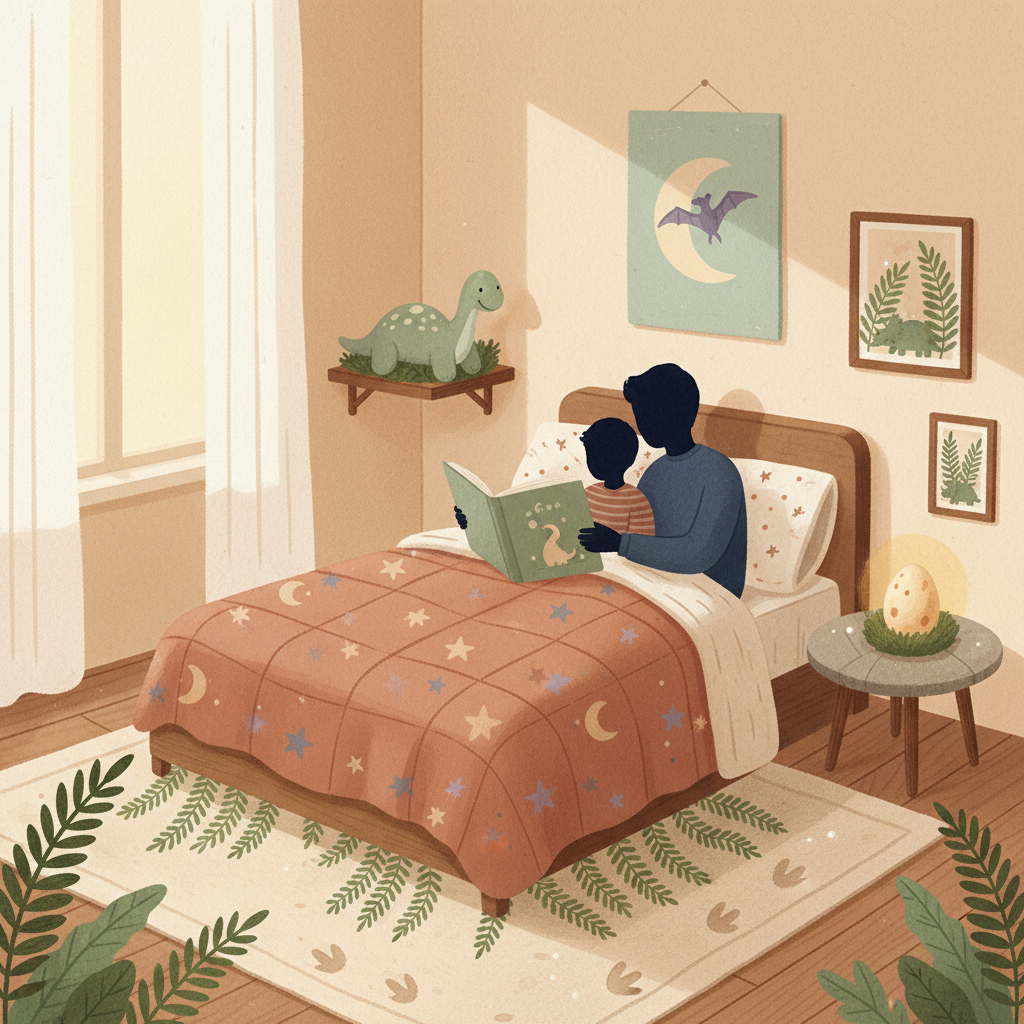
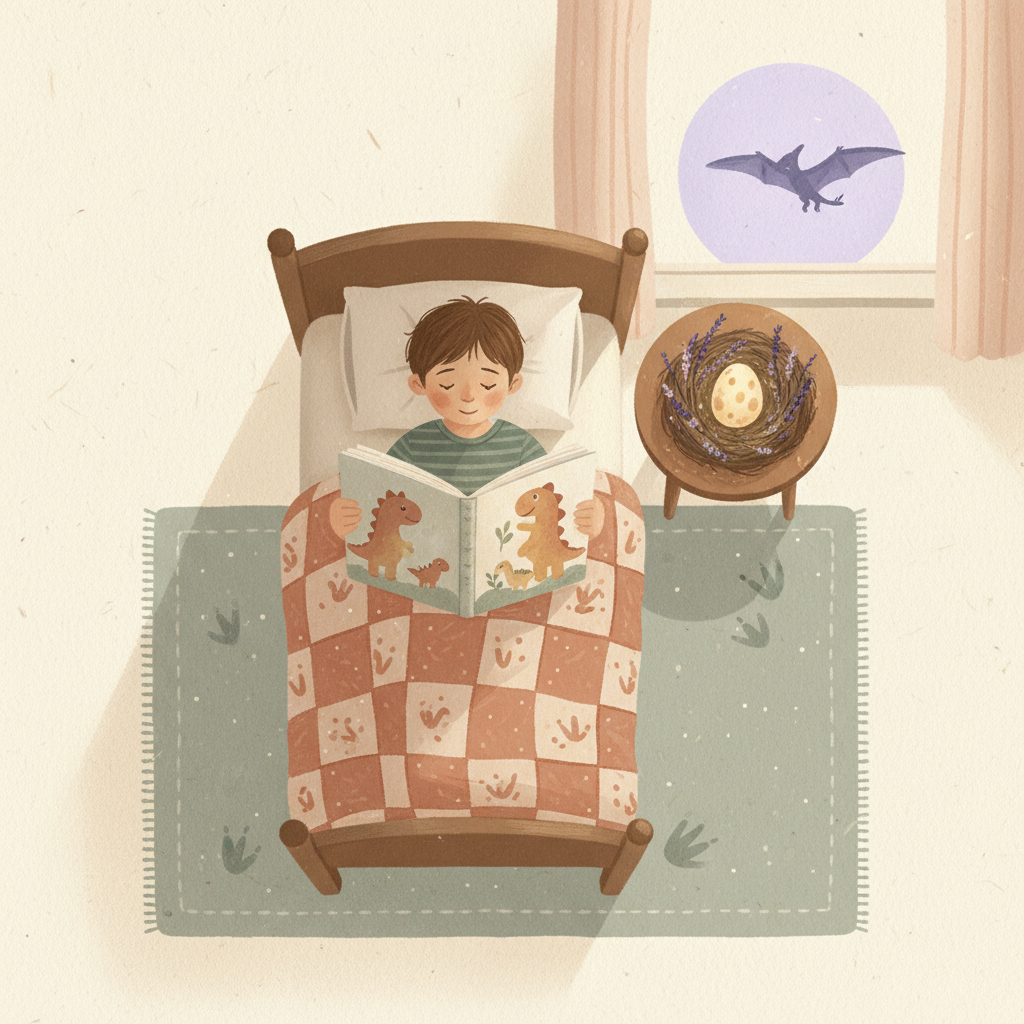
- Story Time: Reading a story together offers a wonderful opportunity for connection and imaginative play before sleep. Many parents find this to be a treasured part of their evening. Choose calming stories, perhaps even ones featuring friendly dinosaurs on peaceful adventures.
- Quiet Play/Cuddles: A few minutes of quiet, independent play or cuddles can help children feel secure and loved before they drift off to sleep. This is a time for calm connection, not active games.
- Dimming Lights and Lowering Noise: Creating a calming environment by dimming lights and reducing noise signals to the brain that it
Further reading from trusted pediatric sources:
A calm parent checklist
For families who want one practical place to start, keep the evening plan simple, repeatable, and easy for a tired child to recognize. The goal is not perfection. It is a steady rhythm: a quiet cue, a predictable order, and a gentle finish that parents can repeat most nights without turning bedtime into a long negotiation.
- Choose two or three steps that already fit your home.
- Keep the order familiar, even when the exact timing changes.
- Let the room, lights, and voice signal that the day is slowing down.
- Save big conversations, rough play, and stimulating choices for earlier in the evening.
For broader context, parents can compare their routine with trusted sleep education such as American Academy of Pediatrics. My Little Dino can sit inside that routine as a short, cozy dinosaur moment when families want a softer transition into the final part of the night.
A calm parent checklist
For families who want one practical place to start, keep the evening plan simple, repeatable, and easy for a tired child to recognize. The goal is not perfection. It is a steady rhythm: a quiet cue, a predictable order, and a gentle finish that parents can repeat most nights without turning bedtime into a long negotiation.
- Choose two or three steps that already fit your home.
- Keep the order familiar, even when the exact timing changes.
- Let the room, lights, and voice signal that the day is slowing down.
- Save big conversations, rough play, and stimulating choices for earlier in the evening.
For broader context, parents can compare their routine with trusted sleep education such as American Academy of Pediatrics. My Little Dino can sit inside that routine as a short, cozy dinosaur moment when families want a softer transition into the final part of the night.
My Little Dino
A calm 60-second bedtime ritual for dinosaur-loving little ones.
Parent-led, screen-soft, and made for 3–7 year olds who'd rather hear about a sleepy brontosaurus than brush their teeth.
Sources
- https://www.healthychildren.org/English/healthy-living/sleep/Pages/healthy-sleep-habits-how-many-hours-does-your-child-need.aspx — American Academy of Pediatrics
- https://www.sleepfoundation.org/children-and-sleep/bedtime-routine — Sleep Foundation
- https://www.nih.gov/news-events/nih-research-matters/insomnia-what-it-symptoms-causes-treatment — National Institutes of Health
- https://www.sleepfoundation.org/how-sleep-works/how-much-sleep-do-we-really-need — Sleep Foundation
- https://my.clevelandclinic.org/health/articles/12922-sleep-disorders-circadian-rhythm-disorders — Cleveland Clinic
Educational content only. Not medical advice. Please consult your pediatrician about sleep concerns.