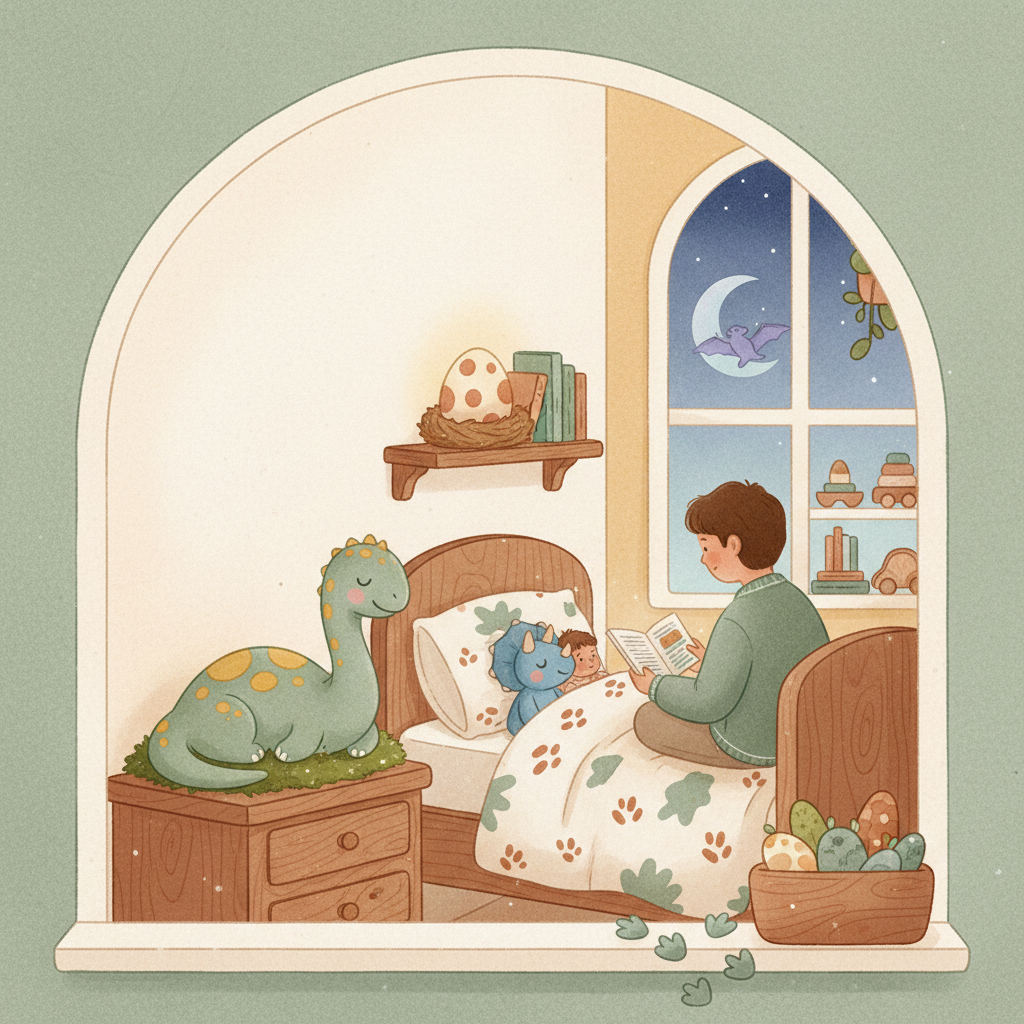
Crafting a Calming Child Bedtime Schedule
As parents, we all dream of those serene evenings where our little ones drift off to sleep peacefully, allowing us a moment to recharge. The reality, however, often involves a bit more… chaos. But what if we told you that creating a consistent child bedtime schedule could be your secret weapon for smoother nights? Establishing a predictable routine can offer a sense of security and help your child wind down, making bedtime a much more pleasant experience for everyone.
Why a Bedtime Schedule Matters for Your Little One
Think of a bedtime schedule not as a rigid timetable, but as a gentle rhythm that guides your child from their active day to a restful night. Pediatric experts often highlight the importance of consistency. According to the American Academy of Pediatrics (AAP), a regular bedtime routine can promote better sleep habits and reduce bedtime struggles [https://www.healthychildren.org/English/healthy-living/sleep/Pages/bedtime-routines.aspx]. This predictability can be especially comforting for curious young minds who thrive on knowing what comes next.
The benefits extend beyond just getting to sleep. The National Institutes of Health (NIH) points to research suggesting that sufficient sleep is crucial for a child's physical health, cognitive development, and emotional well-being [https://www.nih.gov/news-events/news-releases/sleep-key-healthy-children]. When your little paleontologist is well-rested, they're more likely to be energetic, focused, and adaptable during their waking hours. A consistent bedtime schedule helps ensure they get the recommended amount of sleep, which the Sleep Foundation notes is typically 10-13 hours for preschoolers (3-5 years old) and 9-12 hours for school-aged children (6-13 years old) [https://www.sleepfoundation.org/children-and-sleep/how-much-sleep-do-children-need].
Foundations of a Flexible Schedule
Creating an effective child bedtime schedule doesn't mean adhering to a strict, minute-by-minute plan. Instead, it's about establishing a sequence of calming activities that signal to your child that bedtime is approaching. Many families find that a flexible framework works best, allowing for minor adjustments when life happens. The key is the order of events, rather than the exact timing of each step.
Pediatric experts often suggest starting the winding-down process at least 30-60 minutes before lights out. This gradual transition can help your child’s body and mind prepare for sleep. Some elements parents often include are a warm bath, quiet playtime, reading stories, and a final cuddle. What truly matters is finding what resonates with your family and helps your tiny T-rex fan feel secure and ready for rest. For more ideas on how to structure your evenings, you might find our post on Crafting a Soothing Evening Routine for Your Little One helpful.
"Consistency in bedtime routines offers children a sense of security and helps regulate their internal clock, making it easier for them to fall asleep and wake up naturally."
Timing is Everything (But Not Rigidly So)
Determining the "right" bedtime can feel like a guessing game, but it often comes down to observation and some gentle guidelines. Consider your child's wake-up time and the recommended sleep duration for their age. For example, if your 4-year-old typically needs 11 hours of sleep and wakes at 7:00 AM, a bedtime around 8:00 PM would be a good starting point. However, every child is unique.
The American Academy of Pediatrics suggests that parents observe their child for signs of tiredness, such as yawning, rubbing eyes, or becoming less engaged, to help fine-tune bedtime [https://www.healthychildren.org/English/healthy-living/sleep/Pages/bedtime-routines.aspx]. It's also helpful to establish a consistent wake-up time, even on weekends, as this can further regulate your child's internal clock. While it might be tempting to let them sleep in on Saturdays, maintaining a similar wake-up time can support a consistent bedtime schedule throughout the week. The Cleveland Clinic often emphasizes that a consistent wake-up time, along with a consistent bedtime, are cornerstones of healthy sleep habits for children [https://my.clevelandclinic.org/health/articles/14467-sleep-guidelines-for-children].
Components of a Calming Routine
Once you have a general timeframe for your child bedtime schedule, it’s time to fill it with soothing activities. Here are some commonly suggested components:
- Warm Bath: A warm bath can be incredibly relaxing, helping to signal the body that it
A calm parent checklist
For families who want one practical place to start, keep the evening plan simple, repeatable, and easy for a tired child to recognize. The goal is not perfection. It is a steady rhythm: a quiet cue, a predictable order, and a gentle finish that parents can repeat most nights without turning bedtime into a long negotiation.
- Choose two or three steps that already fit your home.
- Keep the order familiar, even when the exact timing changes.
- Let the room, lights, and voice signal that the day is slowing down.
- Save big conversations, rough play, and stimulating choices for earlier in the evening.
For broader context, parents can compare their routine with trusted sleep education such as American Academy of Pediatrics. My Little Dino can sit inside that routine as a short, cozy dinosaur moment when families want a softer transition into the final part of the night.
A calm parent checklist
For families who want one practical place to start, keep the evening plan simple, repeatable, and easy for a tired child to recognize. The goal is not perfection. It is a steady rhythm: a quiet cue, a predictable order, and a gentle finish that parents can repeat most nights without turning bedtime into a long negotiation.
- Choose two or three steps that already fit your home.
- Keep the order familiar, even when the exact timing changes.
- Let the room, lights, and voice signal that the day is slowing down.
- Save big conversations, rough play, and stimulating choices for earlier in the evening.
For broader context, parents can compare their routine with trusted sleep education such as American Academy of Pediatrics. My Little Dino can sit inside that routine as a short, cozy dinosaur moment when families want a softer transition into the final part of the night.
A calm parent checklist
For families who want one practical place to start, keep the evening plan simple, repeatable, and easy for a tired child to recognize. The goal is not perfection. It is a steady rhythm: a quiet cue, a predictable order, and a gentle finish that parents can repeat most nights without turning bedtime into a long negotiation.
- Choose two or three steps that already fit your home.
- Keep the order familiar, even when the exact timing changes.
- Let the room, lights, and voice signal that the day is slowing down.
- Save big conversations, rough play, and stimulating choices for earlier in the evening.
For broader context, parents can compare their routine with trusted sleep education such as American Academy of Pediatrics. My Little Dino can sit inside that routine as a short, cozy dinosaur moment when families want a softer transition into the final part of the night.
My Little Dino
A calm 60-second bedtime ritual for dinosaur-loving little ones.
Parent-led, screen-soft, and made for 3–7 year olds who'd rather hear about a sleepy brontosaurus than brush their teeth.
Sources
- Bedtime Routines: Why They're Important & How to Create One — American Academy of Pediatrics
- Sleep is key for healthy children — National Institutes of Health
- How Much Sleep Do Children Need? — Sleep Foundation
- Sleep Guidelines for Children — Cleveland Clinic
Educational content only. Not medical advice. Please consult your pediatrician about sleep concerns.