Crafting a Calm Bedtime Routine for Kids: A Gentle Guide
As parents, we're all on a quest for those serene evenings when our little ones drift off to sleep with ease. Crafting a calm bedtime routine for kids isn't just about getting them to sleep; it's about creating a peaceful transition from the day's adventures to the quiet calm of night. For your tiny T-rex fan, this consistent rhythm can become a reassuring anchor, much like the steady footsteps of a Brontosaurus.
The Power of Predictability: Why Routines Matter
Imagine heading into an unknown jungle without a map – it can feel a little unsettling, right? For children, especially those spirited 3–7 year olds, the end of the day can sometimes feel similar without a clear path. A predictable bedtime routine acts like that comforting map, guiding them gently toward sleep. According to the American Academy of Pediatrics (AAP), consistent bedtime routines are associated with improved sleep in young children, including shorter sleep onset latency (how long it takes to fall asleep) and fewer night wakings 1. This feeling of knowing what comes next helps to reduce anxiety and promotes a sense of security, which is foundational for restful sleep.
"A predictable, soothing routine helps children wind down physically and emotionally, signaling that it's time for their bodies and minds to prepare for sleep."
Studies have shown that children who have a regular bedtime routine tend to fall asleep faster and sleep longer overall. The Sleep Foundation emphasizes that consistency is key, suggesting that even small deviations can sometimes disrupt a child's internal clock 2. Think of it as building a warm, cozy nest for your little paleontologist's dreams, plank by plank, night after night. You can find more insights on setting up a gentle pattern in our post on Crafting a Calming Child Bedtime Schedule.
Setting the Scene: Creating a Sleep-Friendly Environment
Just as a quiet clearing in a prehistoric forest would invite calm, your child’s bedroom plays a significant role in their ability to wind down. A sleep-friendly environment can make a considerable difference in the success of your calm bedtime routine for kids. The room should ideally be dark, quiet, and cool. The American Academy of Pediatrics suggests keeping the bedroom temperature between 68 and 72 degrees Fahrenheit for optimal sleep 3. Investing in blackout curtains can be helpful, especially during summer months when the sun sets later, as darkness signals to the brain that it's time to produce melatonin, the sleep hormone.
Consider also the ambient noise. While complete silence isn't always achievable or even desirable for some children, minimizing sudden loud noises is important. Some families find that white noise machines or gentle nature sounds can create a consistent, soothing background, masking other household sounds and providing a sense of comfort. The goal is to create a sanctuary free from distractions, where your child feels safe and ready to relax. For more ideas on quiet pre-sleep activities, consider exploring Crafting a Quiet Bedtime Routine for Kids.
The Art of Winding Down: Gentle Activities for Relaxation
This is where the magic of a calm bedtime routine truly unfolds. The hour or so leading up to sleep should be a gradual transition from active play to quiet contemplation. Think of activities that encourage stillness and connection. The National Institutes of Health (NIH) highlights the importance of making bedtime a positive experience, focusing on calm and nurturing behaviors 4. This is a precious opportunity to reconnect after a busy day.
Some popular gentle wind-down activities include:
- Warm Bath: A warm bath can be incredibly relaxing, helping to lower body temperature slightly afterwards, which can signal to the body that it's time for sleep. Make it a fun, splash-free zone with gentle play or simply enjoy the soothing warmth.
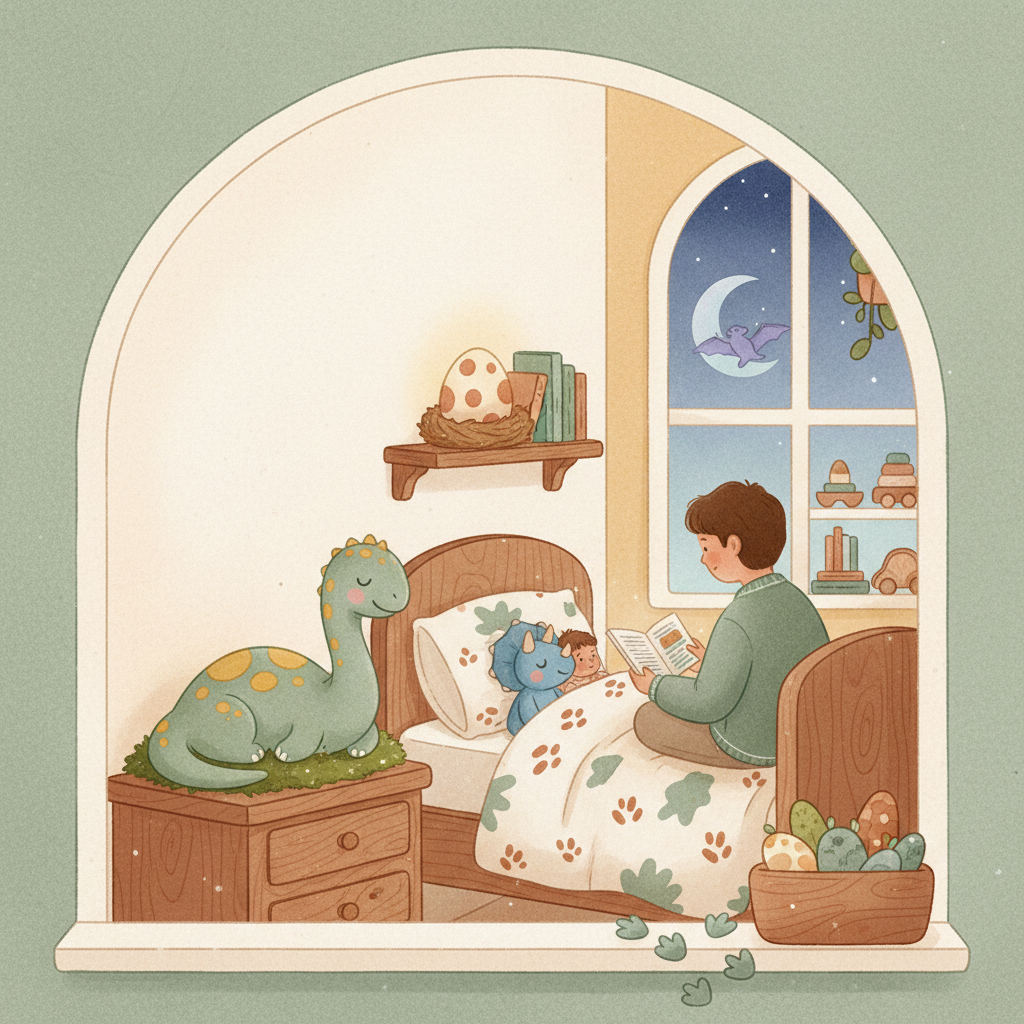
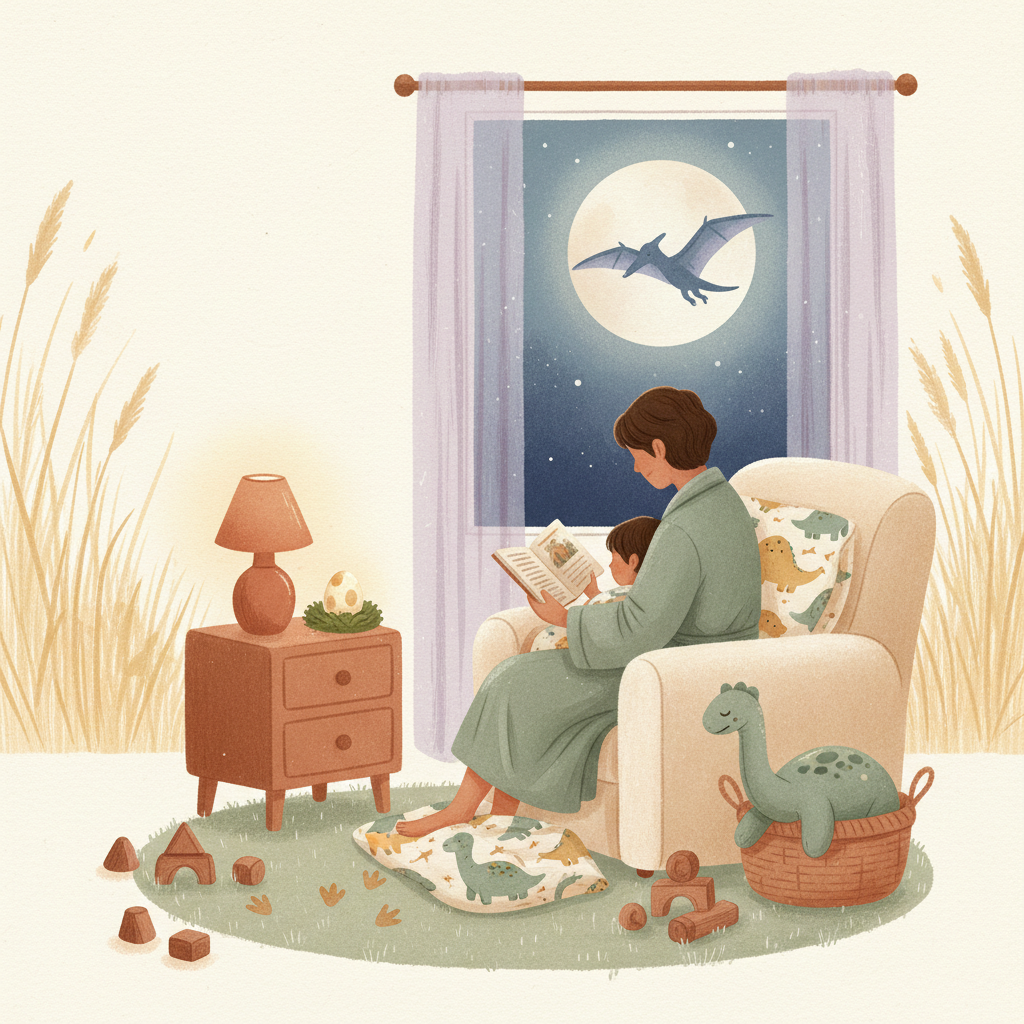
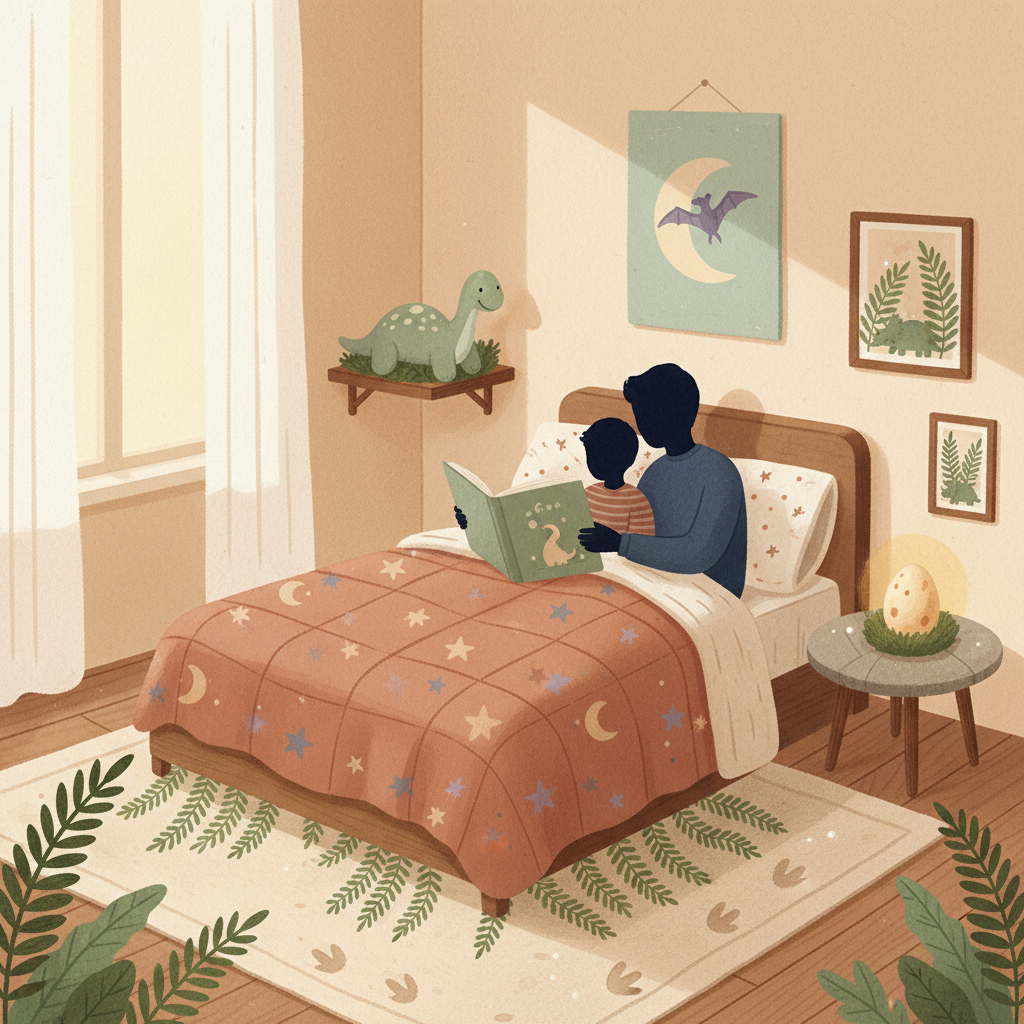
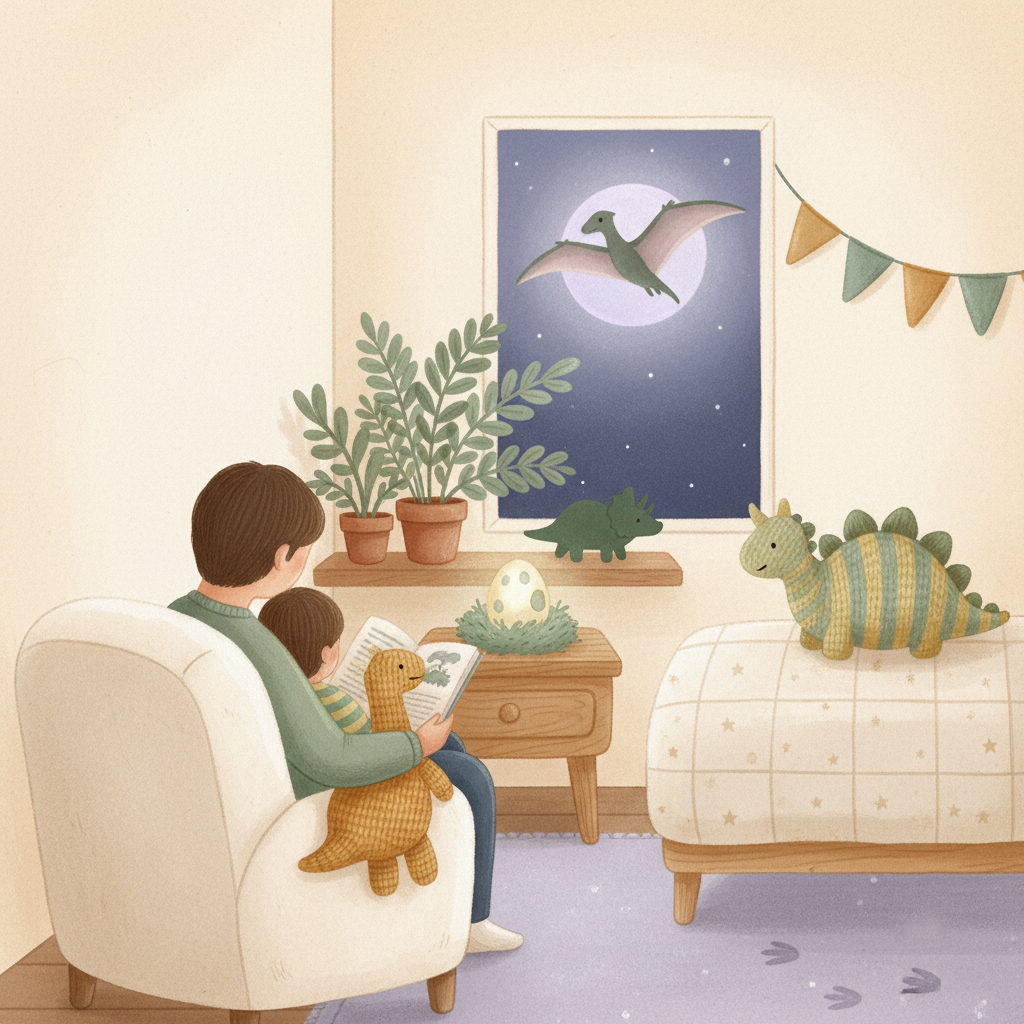
- Story Time: Reading together is a cornerstone of many family bedtime routines. Choose calm, engaging stories. The act of listening to your voice and focusing on a narrative can be very comforting. This shared experience also strengthens your bond, creating positive associations with bedtime.
- Quiet Play: Before bed, shift from high-energy games to calm, imaginative play with toys, coloring, or puzzles. This can help burn off any lingering energy in a gentle way.
- Gentle Conversation: This is a wonderful time for your little one to share a highlight from their day, or for you to simply connect. Avoid discussing stimulating or exciting topics. Keep the tone light and reassuring.
- Simple Stretches or Yoga: A few very gentle stretches or child-friendly yoga poses can help release tension in the body. Focus on slow, intentional movements.
Remember to incorporate these activities consistently, allowing your child to anticipate each step. This predictability helps their bodies and minds prepare for sleep. You might also find our A Calm Kids Bedtime Checklist for Peaceful Nights helpful for organizing these steps.
The Importance of a Screen-Free Zone
In our modern world, screens are ubiquitous, but pediatric experts strongly advise limiting screen time before bed. The blue light emitted from screens (phones, tablets, TVs) can interfere with the body's natural production of melatonin, making it harder for children to fall asleep. The American Academy of Pediatrics recommends avoiding screen time for at least 60 minutes before bedtime 5. This is a crucial element in creating a truly calm bedtime routine for kids.
Instead of screens, fill that pre-sleep window with the gentle activities mentioned above. This dedicated screen-free time not only aids in sleep readiness but also opens up opportunities for more meaningful family interaction. It’s a chance to put down the devices and tune into each other, fostering connection in a way screens simply cannot. We delve deeper into this topic in our post, Crafting a No-Screen Bedtime Routine for Kids.
Consistency and Flexibility: Finding Your Family's Rhythm
While consistency is paramount for a successful calm bedtime routine for kids, remember that life with a 3–7 year old also requires a touch of flexibility. There will be nights when things don't go exactly as planned – a late dinner, an exciting family event, or simply a night when your little one is feeling a bit more energetic. On these nights, return to your routine as best as you can, and always with a calm, reassuring presence. Children thrive on routine, but they also learn resilience from observing how you adapt.
As the Cleveland Clinic notes, establishing a sleep schedule and sticking to it as much as possible, even on weekends, can help children maintain a healthy circadian rhythm 6. This doesn't mean you can never deviate, but rather that returning to the familiar pattern is key. Over time, your child will internalize the routine, and these gentle steps will become second nature.
Remember, the goal is not perfection, but rather progress and a deepening sense of peace for your family during this special time of day. Building a routine is a journey, one gentle step at a time, much like a baby Triceratops learning to explore its world. The consistent presence and calm demeanor you bring to these moments are truly the most powerful tools you have.
A Note on Naps and Daytime Activity
While your focus might be on the bedtime routine, it's worth remembering that daytime activities and naps (or lack thereof) can significantly impact nighttime sleep. For many 3–7 year olds, naps become less consistent or may even be phased out entirely. If your child is still napping, ensure their nap isn't too late in the day or too long, as this could make it harder for them to fall asleep at night. If naps are no longer part of their routine, ensure they're getting enough stimulating activity – both physical and mental – throughout the day to be genuinely tired when bedtime arrives. A balanced day contributes greatly to a calm night.
Looking for a gentle way to weave a love for dinosaurs into your nightly rhythm? My Little Dino is a calm 60-second bedtime ritual app for dinosaur-loving kids that helps parents create a moment of connection. Join the waitlist to discover more.
Gentle reminder: This article provides general educational information and is not a substitute for professional medical advice. Always consult your pediatrician for any questions or concerns regarding your child's sleep, behavior, or health.
Sources
- [1] Healthychildren.org: Bedtime Routines
- [2] Sleepfoundation.org: Bedtime Routines for Children
- [3] Healthychildren.org: Healthy Sleep Habits for Young Children
- [4] NIH.gov: NIH study identifies factors in sleep problems in young children
- [5] Healthychildren.org: Media and Children's Sleep
- [6] My.clevelandclinic.org: Sleep and Children
My Little Dino
A calm 60-second bedtime ritual for dinosaur-loving little ones.
Parent-led, screen-soft, and made for 3–7 year olds who'd rather hear about a sleepy brontosaurus than brush their teeth.
Sources
- Bedtime Routines — American Academy of Pediatrics
- Bedtime Routines for Children — The Sleep Foundation
- Healthy Sleep Habits for Young Children — American Academy of Pediatrics
- NIH study identifies factors in sleep problems in young children — National Institutes of Health
- Media and Children's Sleep — American Academy of Pediatrics
- Sleep and Children — Cleveland Clinic
Educational content only. Not medical advice. Please consult your pediatrician about sleep concerns.